Peru · #4 tree Tree on the coat of arms of Peru, symbolising the country’s plant wealth
Cinchona tree
Cinchona officinalis · locally: árbol de la quina (cascarilla)
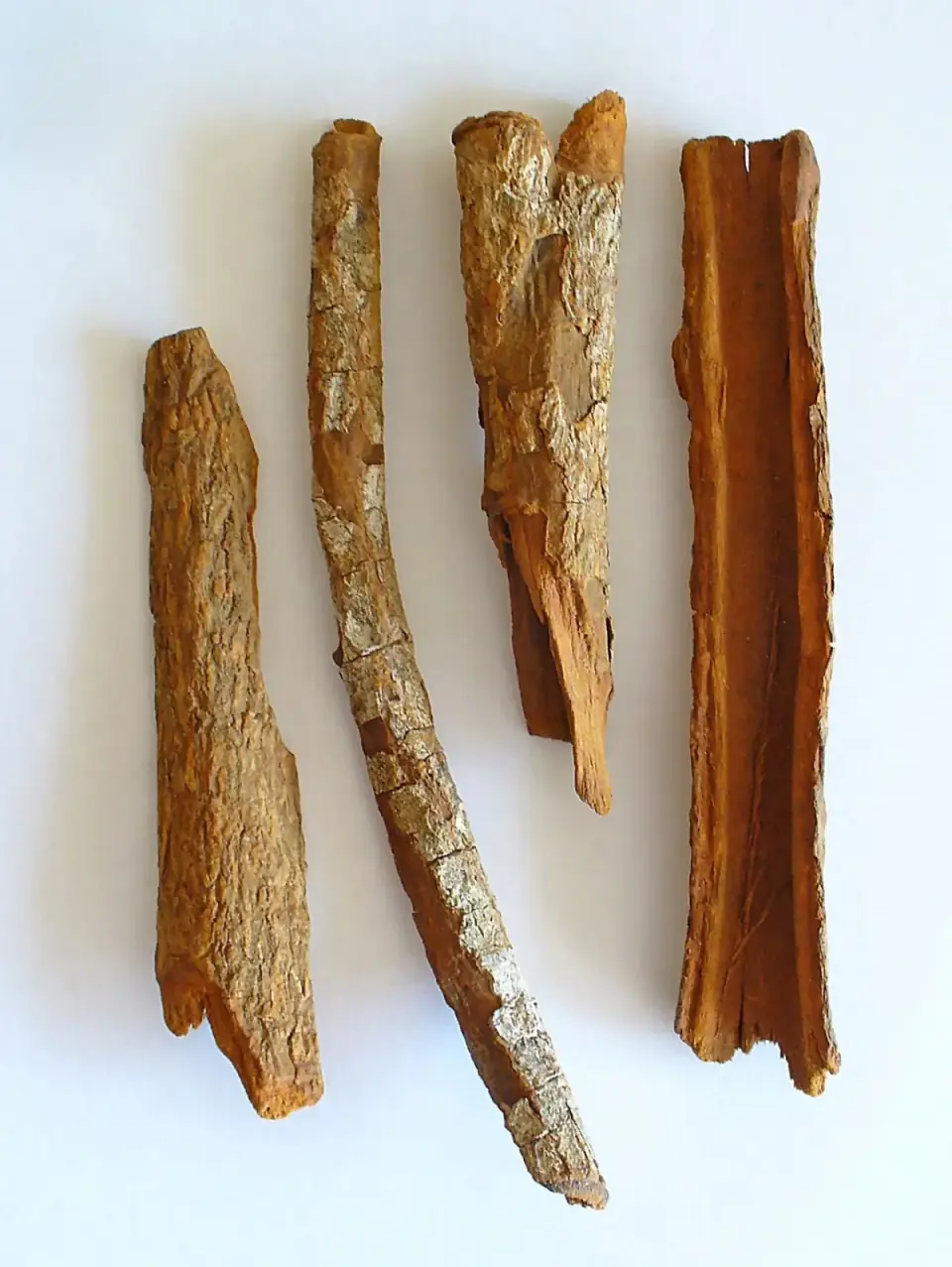
The tree on Peru’s coat of arms – its bark yielded quinine, for centuries the only effective cure for malaria.
The cinchona tree is a small tree or shrub of the madder family, growing 5–15 m tall, with glossy leaves and fragrant pink or white flowers in panicles. It grows in the humid montane forests of the eastern slopes of the Andes. Its bark contains alkaloids, above all quinine, which the Jesuits brought to Europe in the 17th century as “Jesuits’ bark”. For three centuries it was the most important weapon against malaria, which led to the ruthless stripping of wild trees. Linnaeus named the genus after the Countess of Chinchón, wife of the Viceroy of Peru, who according to legend was cured with cinchona bark.
Significance in the country
The cinchona tree has appeared on Peru’s coat of arms and state flag since 1825 as a symbol of the wealth of the plant kingdom – alongside the vicuña and the cornucopia.
Where it grows
In the cloud forests on the eastern slopes of the Andes in northern Peru – in Cajamarca, Amazonas, the mountains of Piura and San Martín; other cinchona species also grow in central and southern Peru.
More: Wikipedia (en) Wikipedia (pl)