Ecuador · #8 tree
Cinchona tree
Cinchona officinalis · locally: cascarilla (quina)
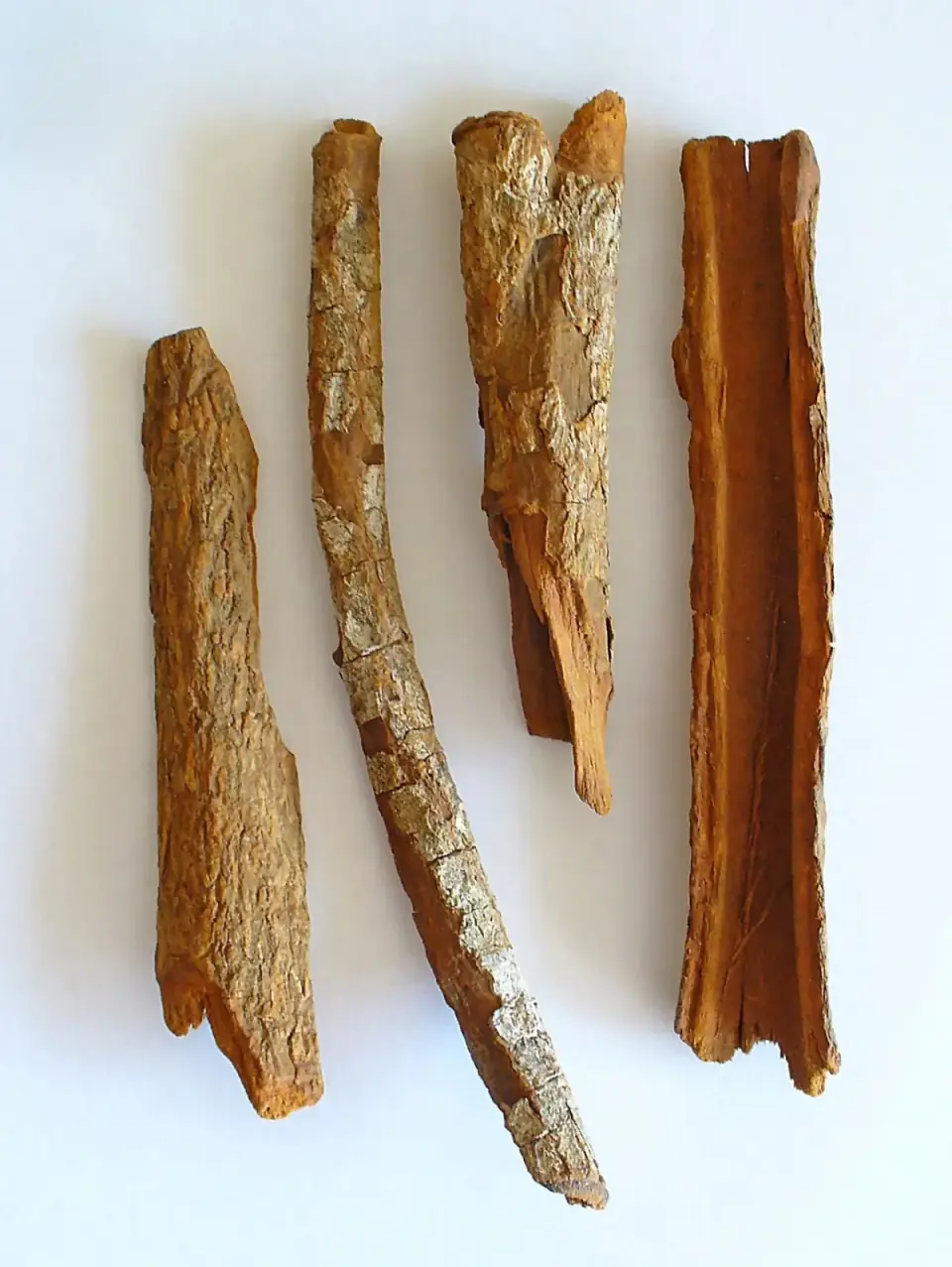
Science first knew the cinchona from the forests around Loja – for centuries its bark, “cascarilla”, was the most effective cure for malaria.
The cinchona tree is a small tree or shrub of the coffee family, with opposite, glossy, pointed leaves. It bears panicles of tubular, fragrant flowers in shades of pink and white, and its fruits are small capsules with winged seeds. The bark contains cinchona alkaloids – above all quinine – which act against malaria and fever; quinine also gives tonic water its bitter taste. The species grows in the humid mountain forests of the Andes and is now rare because of centuries of ruthless bark harvesting.
Significance in the country
According to tradition, the Indigenous people around Malacatos near Loja knew the medicinal properties of the bark, and in the 17th century “cascarilla” from Loja became a prized export. In 1737 Charles Marie de La Condamine described the cinchona trees growing around Loja, and it was on the basis of his account that Linnaeus gave the species the name Cinchona officinalis.
Where it grows
In cloud forests on the Andean slopes of southern Ecuador – above all in Loja province (including Uritusinga and Malacatos), as well as in Azuay, Cañar and Zamora-Chinchipe.
More: Wikipedia (en) Wikipedia (pl)