On the map in 2 countries grass
Stipa capillata
Stipa capillata
Family: Poaceae
On our map this plant appears in 2 countries and ranks highest in: Mongolia, Moldova.
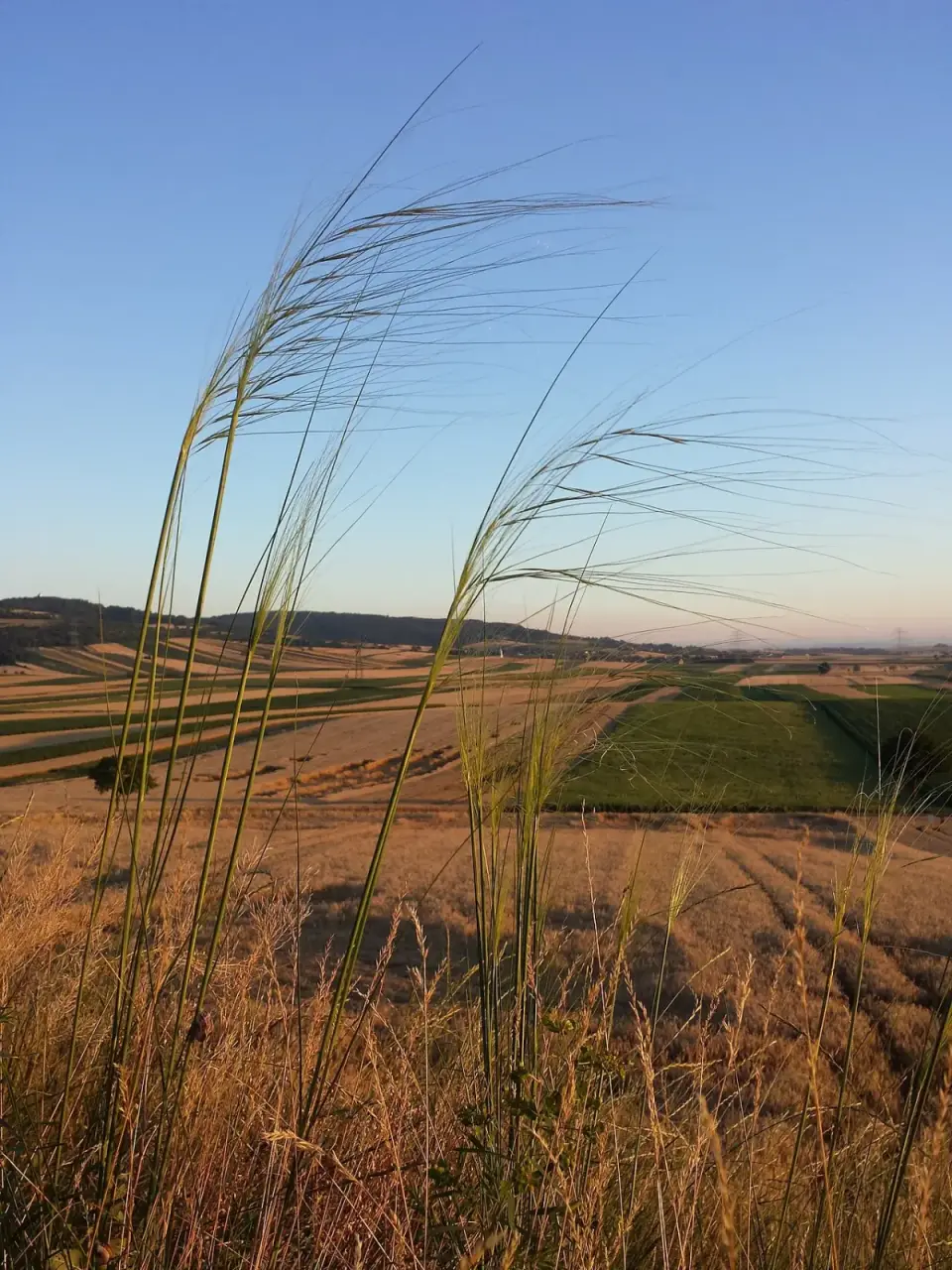
A perennial tussock grass growing 30–80 cm tall, with narrow, rolled leaves that guard well against water loss. The grains carry very long, hair-thin, bent and twisted awns that coil and uncoil as humidity changes, literally screwing the seed into the soil. Together with other feather grasses and fescues it forms the dense swards of typical steppe on dry chestnut soils. In spring and early summer it is valuable fodder, while the sharp ripe grains work their way into sheep’s fleece. The species has a huge range – it also grows in Poland, on xerothermic grasslands.
Description from: Mongolia.
More: Wikipedia (en) Wikipedia (pl) Plants of the World Online (Kew)