15 plants worth knowing
Poland
Poland lies in a transitional temperate climate zone, and forests cover almost a third of its area – they are dominated by pinewoods, complemented by mixed forests of oak, beech and hornbeam. The farmland of the lowlands is broken up by field margins, avenues of roadside trees and riverside willows, while the Tatras and the Carpathians have mountain vegetation zones with dwarf mountain pine and Swiss pine. Białowieża Forest is exceptional on a European scale – one of the last fragments of primeval lowland forest.
Hover over a plant to see on the map where it grows.
where it grows
-
 1
Pedunculate oak
Quercus robur
A long-lived symbol of strength and endurance – Poland’s oldest oaks, such as Bartek and Chrobry, are more than 700 years old.
-
 2
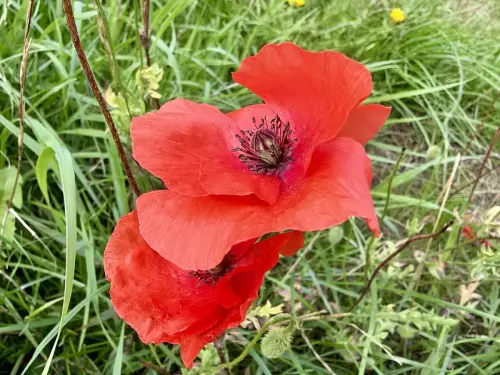
Common poppy
Papaver rhoeas
Red petals among the corn are a classic image of the Polish summer – and a symbol of remembrance for the soldiers of Monte Cassino.
-
 3
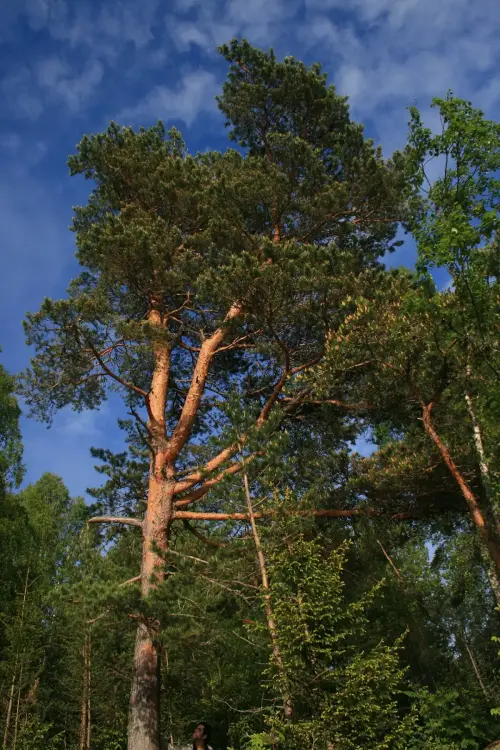
Scots pine
Pinus sylvestris
The most important tree of Polish forests – pine grows on more than half of their area and forms vast pinewoods on the sandy plains.
-
 4
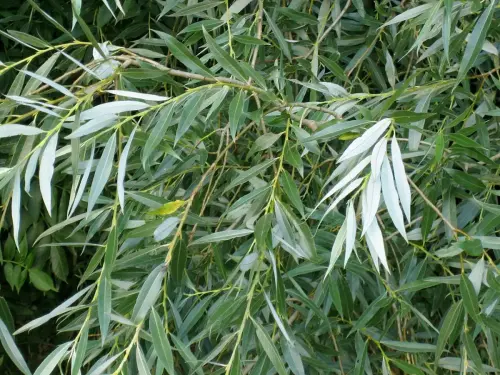
White willow
Salix alba
Pollard willows along country lanes and ditches are an icon of the Masovian landscape, immortalised in Chopin’s music and in painting.
-
 5
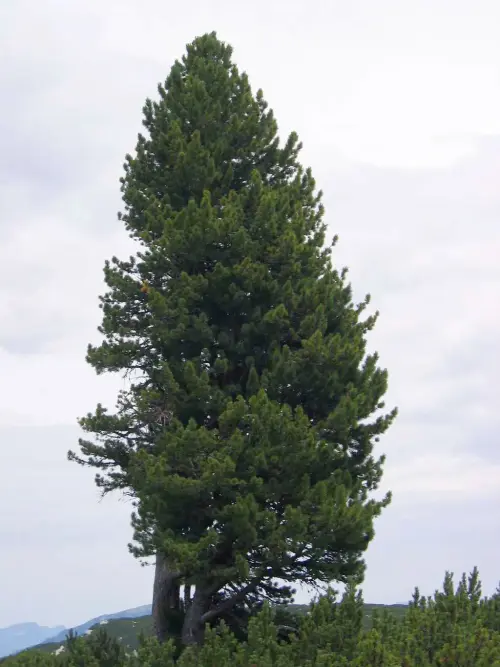
Swiss pine
Pinus cembra
The high-mountain pine of the Tatras, able to survive for more than a thousand years on rocky cliffs and at the treeline.
-
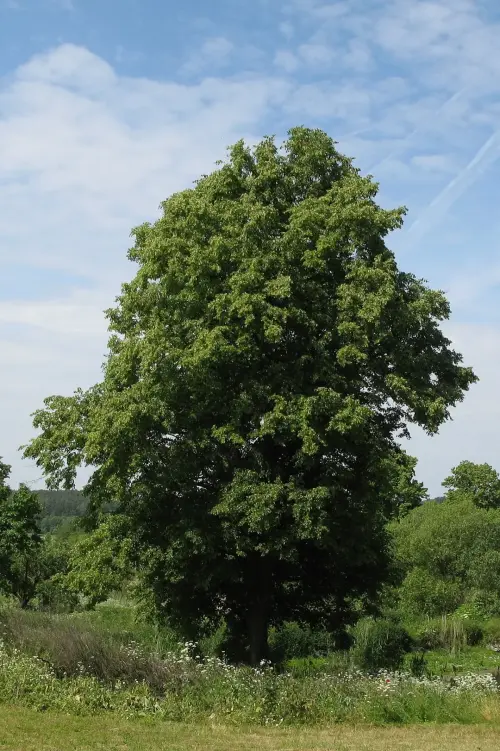 6
Small-leaved lime
Tilia cordata
The sacred tree of the Slavs, celebrated by the poet Jan Kochanowski – July in Polish, lipiec, takes its name from the lime (lipa).
-
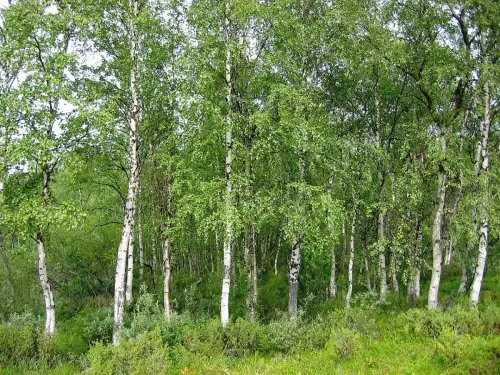 7
Silver birch
Betula pendula
A white birch at the edge of a field or pinewood is one of the most Polish of sights – and the tree used for crosses on soldiers’ graves.
-
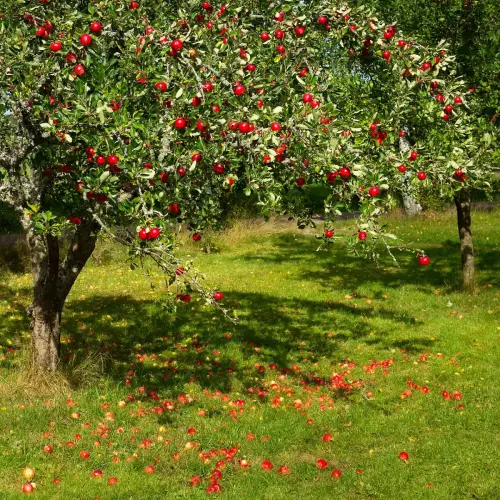 8
Apple
Malus domestica
Poland is the largest apple producer in the European Union, and the orchards around Grójec are called the largest orchard in Europe.
-
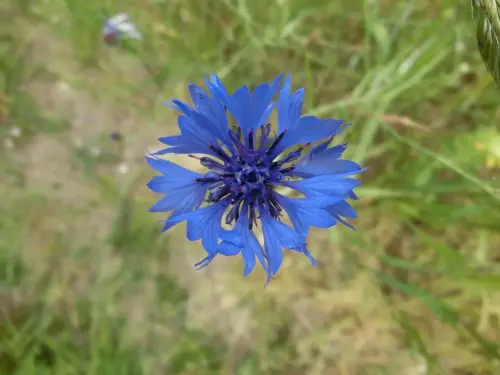 9
Cornflower
Centaurea cyanus
The blue flower of the cornfields – an essential part of harvest-festival wreaths and of the bouquets blessed on the Feast of the Assumption.
-
 10
Bilberry
Vaccinium myrtillus
Wild forest berries – picked in huge quantities in Polish woods each summer, they go into pierogi, sweet buns and home-made preserves.
-
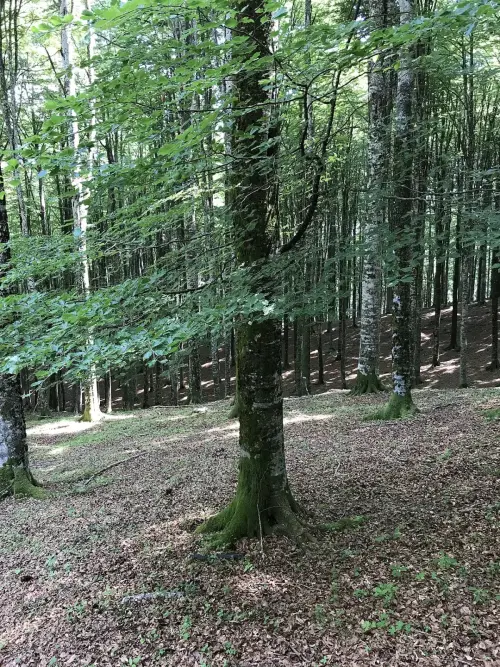 11
European beech
Fagus sylvatica
Smooth, silvery-grey beech trunks form the “cathedral” forests of Pomerania, the Sudetes, the Beskids and the Bieszczady – Poland’s grandest broadleaf woods.
-
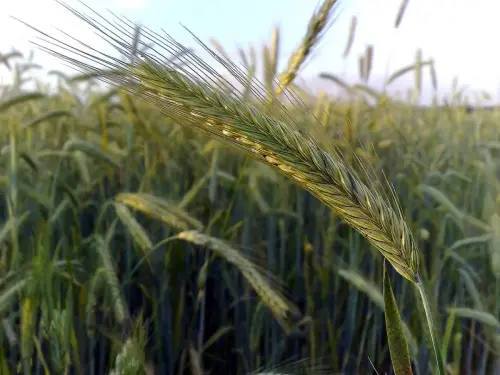 12
Rye
Secale cereale
The grain of wholemeal bread, żurek and sourdough – for decades Poland has been one of the world’s largest rye producers.
-
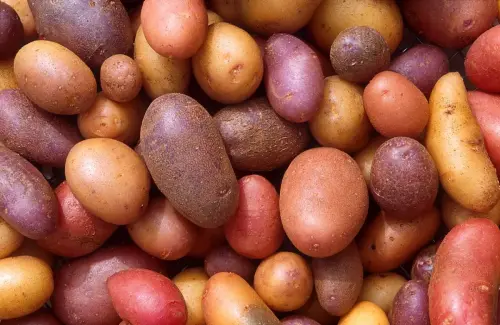 13
Potato
Solanum tuberosum
Potatoes are the foundation of Polish cooking – from pierogi ruskie and potato pancakes to kopytka, pyzy dumplings and potato soup.
-
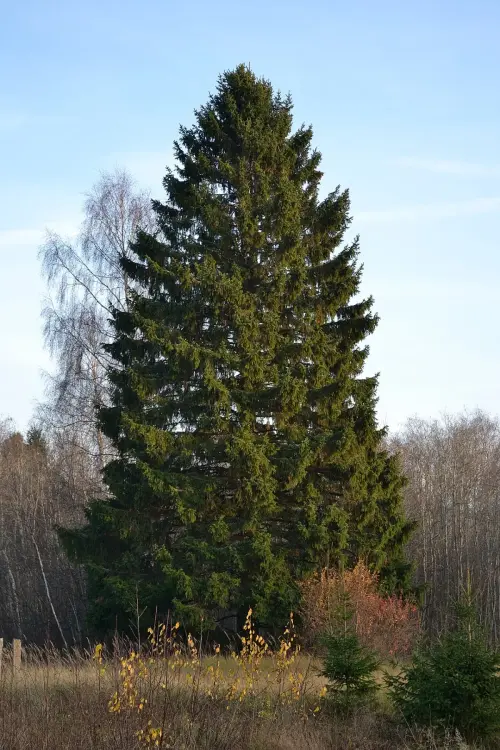 14
Norway spruce
Picea abies
Dark spruce forests cloak the Tatras, the Beskids and Białowieża Forest, and a decorated spruce is the traditional Polish Christmas Eve tree.
-
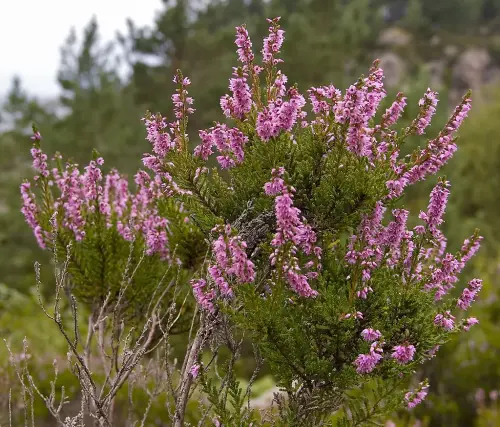 15
Heather
Calluna vulgaris
Purple swathes of heather bloom in late summer in pinewoods and on heaths – and give September its Polish name, wrzesień.
Poland on other Ominuvo maps
- World in NumbersPopulation: 36.4 million (2025)Source: World Bank – WDI: UN World Population Prospects (CC BY 4.0)
- Languages of the worldPolish · official languageSource: Unicode CLDR (Unicode License v3)
- Prices around the worldPolish złoty (PLN)Source: ISO 4217
- Time zones mapUTC+1 / UTC+2 in summerSource: IANA tz database (public domain)
- Plugs and sockets of the worldType C, E · 230 V · 50 Hz
- National dishes of the world8 national dishes
- Castles map108 castles and palacesSource: Wikidata (CC0 1.0)
- Ghost map41 ghost stories and haunted places
- UFO sightings map8 UFO sightings and unexplained cases
- VPN provider mapServers of 42 VPN providersSource: VPN Map (Ominuvo) (CC BY 4.0)