8 plants worth knowing
Mozambique
Mozambique has more than 2,400 km of Indian Ocean coastline with coconut groves, dunes and the largest mangrove forests in East Africa. Inland, miombo woodland predominates, dry mopane woodland covers the Zambezi Valley and Tete Province, and in Gorongosa National Park green floodplains are ringed by forests of fever trees and palms.
Hover over a plant to see on the map where it grows.
where it grows
-
 1
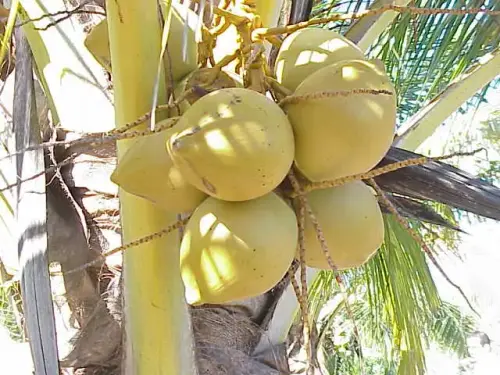
Coconut palm
Cocos nucifera
Inhambane is the “land of coconut palms” – millions of them line the beaches, and their nuts give the milk that goes into every dish.
-
 2
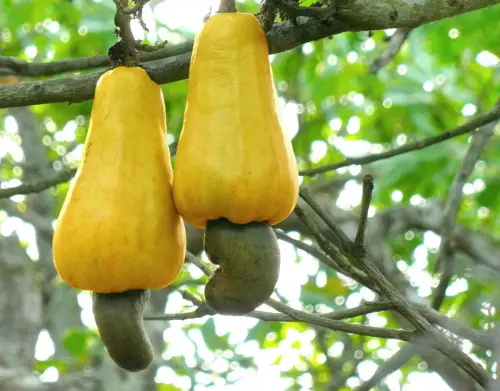
Cashew
Anacardium occidentale
In the 1970s Mozambique was the world’s largest producer of cashew nuts – today caju still shapes the landscape of the north.
-
 3
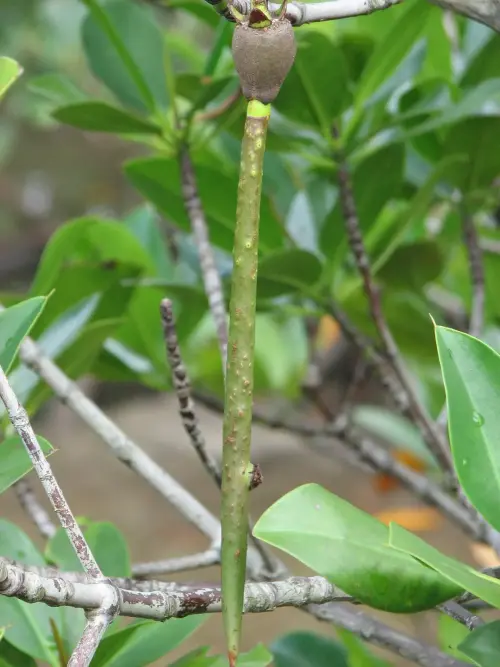
Loop-root mangrove
Rhizophora mucronata
The mangroves of the Zambezi Delta are the largest mangrove forest in East Africa – trees standing in salt water on a tangle of stilt roots.
-
 4
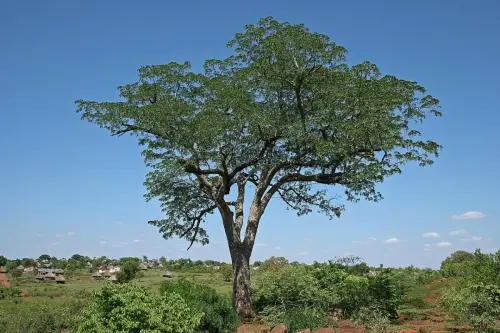
Pod mahogany
Afzelia quanzensis
Chanfuta yields one of Mozambique’s most valuable timbers, and its black-and-red seeds are used as beads and amulets.
-
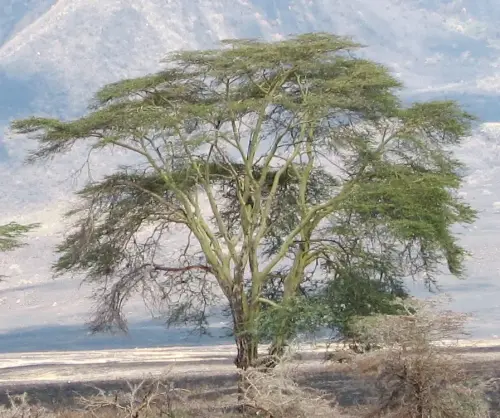 5
Fever tree
Vachellia xanthophloea
The yellow-green trunks of fever trees form one of Africa’s most extraordinary forests on the edge of the Gorongosa plains.
-
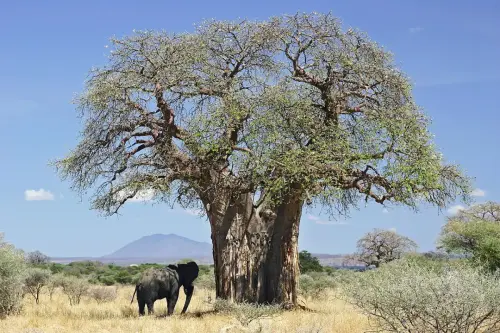 6
African baobab
Adansonia digitata
Mighty embondeiros tower over Mozambique’s savannas – for centuries their fruit, leaves and bark have given people food, medicine and materials.
-
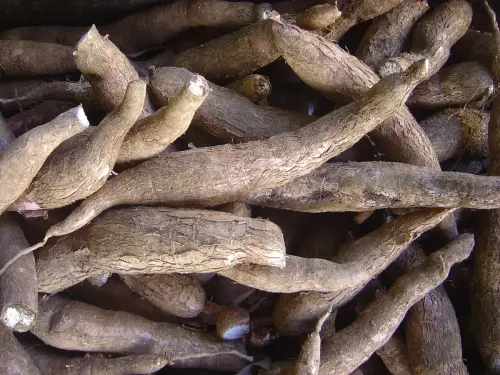 7
Cassava
Manihot esculenta
Cassava is one of Mozambique’s key food plants – the roots give flour and porridge, the leaves the famous matapa with peanuts and coconut milk.
-
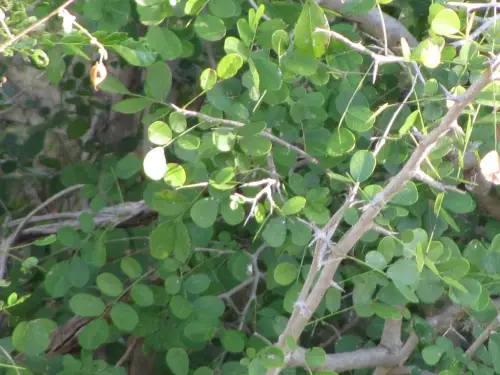 8
African blackwood
Dalbergia melanoxylon
Makonde carvers turn the extremely hard black wood of pau-preto into famous sculptures, and instrument makers worldwide into clarinets and oboes.
Mozambique on other Ominuvo maps
- World in NumbersPopulation: 35.6 million (2025)Source: World Bank – WDI: UN World Population Prospects (CC BY 4.0)
- Languages of the worldPortuguese · official languageSource: Unicode CLDR (Unicode License v3)
- Prices around the worldMozambican metical (MZN)Source: ISO 4217
- Time zones mapUTC+2Source: IANA tz database (public domain)
- Plugs and sockets of the worldType C, F, M · 220 V · 50 Hz
- National dishes of the world4 national dishes
- Castles map1 castleSource: Wikidata (CC0 1.0)
- VPN provider mapServers of 2 VPN providersSource: VPN Map (Ominuvo) (CC BY 4.0)