5 plants worth knowing
Vanuatu
Vanuatu is a chain of more than 80 volcanic islands, with active volcanoes such as Yasur on Tanna and Marum on Ambrym. Humid tropical forests cover the windward slopes, while drier forests, scrub and savannas develop on the leeward side and on young lava flows. The Ni-Vanuatu have kept a rich kastom tradition in which many plants have ritual and symbolic meaning – two of them even feature on the national flag.
Hover over a plant to see on the map where it grows.
where it grows
-
 1
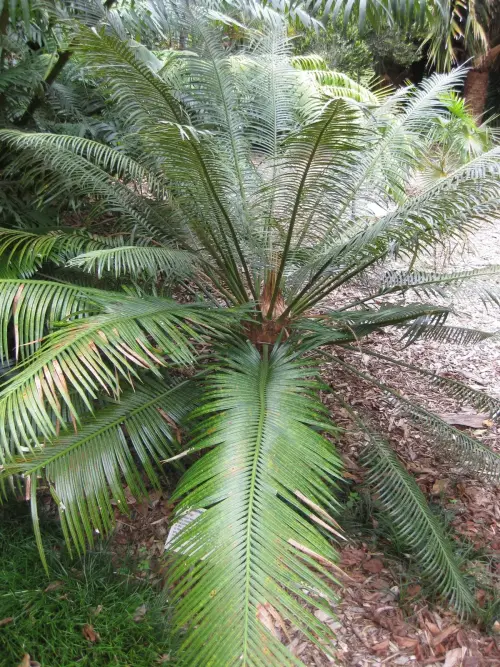
Namele
Cycas seemannii
Two crossed namele cycad leaves on Vanuatu’s flag symbolise peace – in kastom tradition a namele leaf also declares an inviolable taboo.
-
 2
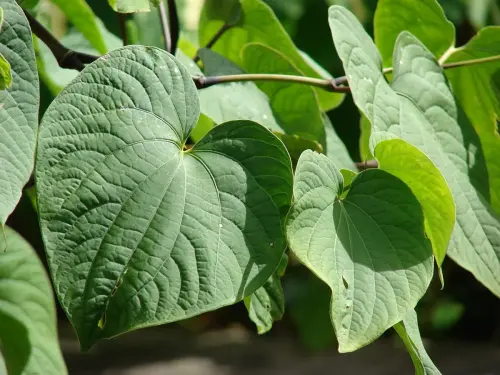
Kava
Piper methysticum
Vanuatu is the homeland of kava – it was domesticated here, and drinking the strong brew in the nakamal each evening is a nationwide ritual.
-
 3
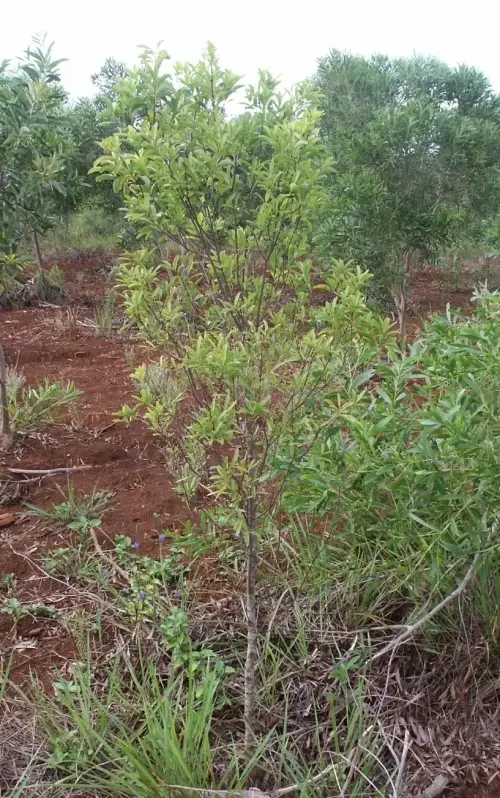
New Caledonia sandalwood
Santalum austrocaledonicum
Fragrant sandalwood drew crowds of traders to Vanuatu in the 19th century – today its scented wood and oil are once again a valuable export.
-
 4
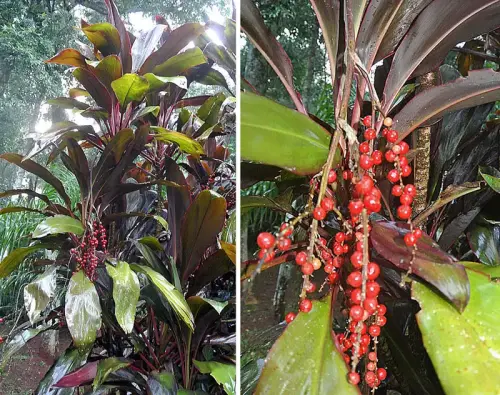
Ti plant
Cordyline fruticosa
The red and green leaves of the nangaria mark garden boundaries, adorn dancers and guard sacred sites in kastom tradition.
-
 5
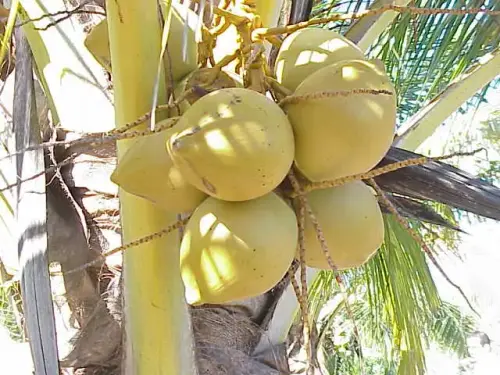
Coconut palm
Cocos nucifera
Coconut groves surround almost every village in Vanuatu, and for decades copra was the country’s main source of income.
Vanuatu on other Ominuvo maps
- World in NumbersPopulation: 335,170 (2025)Source: World Bank – WDI: UN World Population Prospects (CC BY 4.0)
- Languages of the worldBislama, English, French · official languagesSource: Unicode CLDR (Unicode License v3)
- Prices around the worldVanuatu vatu (VUV)Source: ISO 4217
- Time zones mapUTC+11Source: IANA tz database (public domain)
- Plugs and sockets of the worldType C, G, I · 220 V · 50 Hz
- National dishes of the world1 national dish
- Volcano & earthquake map12 volcanoesSource: Smithsonian GVP (Smithsonian Terms of Use)