8 plants worth knowing
Libya
More than 90% of Libya lies in the Sahara, and only a narrow coastal strip receives regular rainfall. The richest vegetation is found on Jabal al Akhdar – the Green Mountain in Cyrenaica – covered in juniper maquis and wild cypresses; in the west the olive groves of the Jafara plain dominate, while deep in the desert life is concentrated in the oases of Fezzan.
Hover over a plant to see on the map where it grows.
where it grows
-
 1
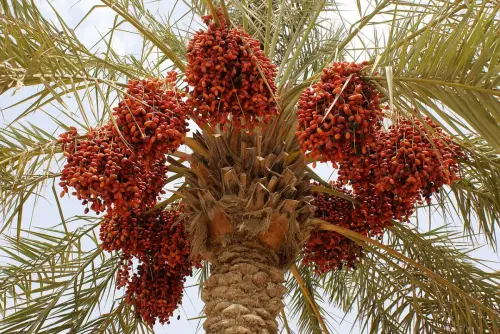
Date palm
Phoenix dactylifera
In the oases of Fezzan and Jufra dates were the staple food for centuries – Libya has millions of date palms.
-
 2
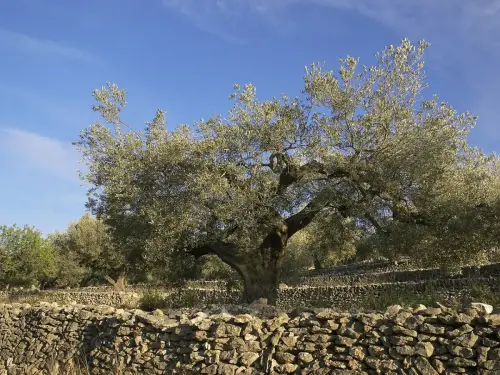
Olive
Olea europaea
Roman Tripolitania was famed for its olive oil, and the olive groves of the Jafara plain and the Nafusa Mountains are still Libya’s most important orchards.
-
 3
Phoenician juniper
Juniperus phoenicea
The commonest shrub of the Green Mountain in Cyrenaica – Phoenician juniper forms extensive scrub on its limestone slopes.
-
 4
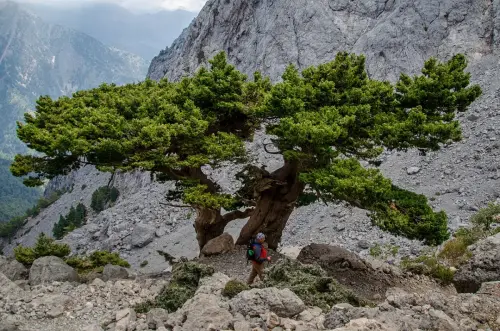
Mediterranean cypress
Cupressus sempervirens
The Green Mountain is home to some of Africa’s few wild cypress forests – made up of trees with widely spreading branches.
-
 5
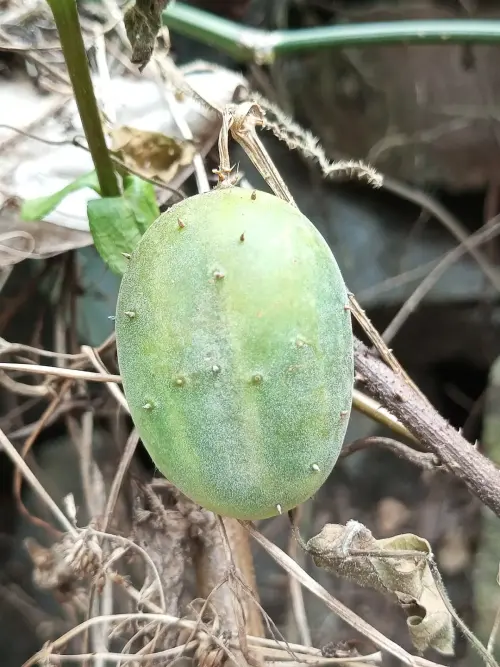
Colocynth
Citrullus colocynthis
The bitter, round fruits of the colocynth lie on the sand like abandoned balls – one of the best-known plants of the Libyan desert.
-
 6
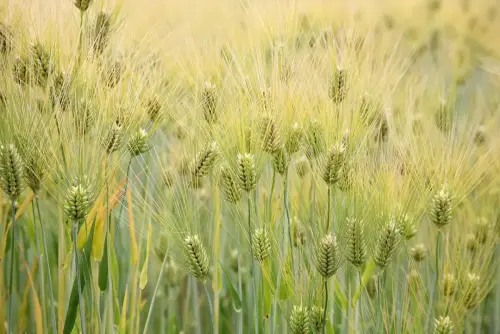
Barley
Hordeum vulgare
Barley flour makes bazeen – a dense, dome-shaped dough served with a spicy sauce and regarded as Libya’s national dish.
-
 7
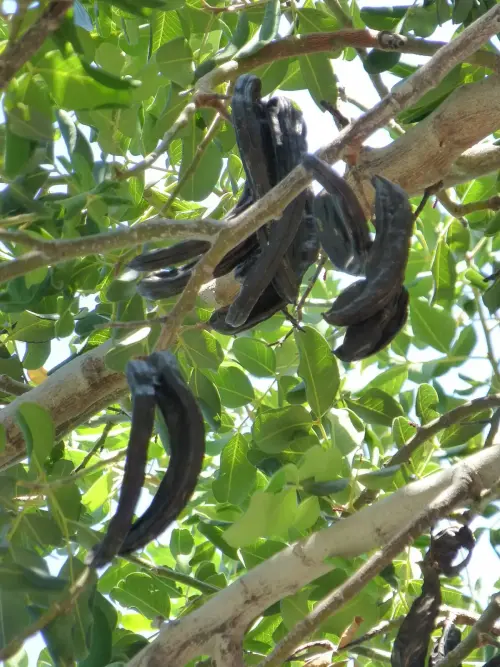
Carob
Ceratonia siliqua
Carob trees on the green slopes of Jabal al Akhdar give sweet pods that Libyans boil down into a thick syrup.
-
 8
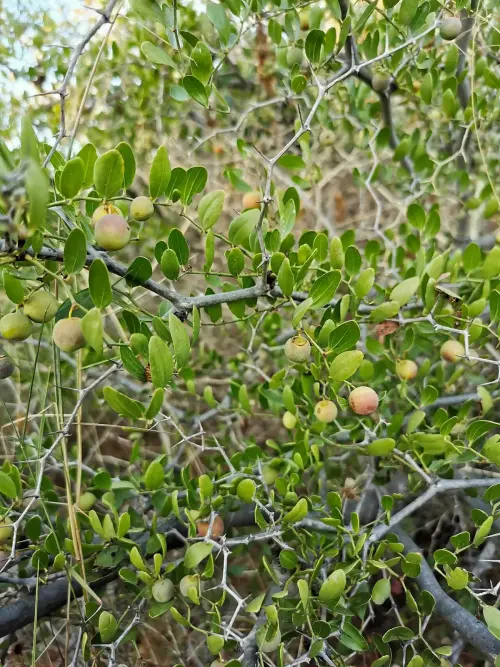
Lotus jujube
Ziziphus lotus
The thorny lotus jujube covers the steppes of northern Libya – its fruit is sometimes identified with the lotus eaten by Homer’s Lotus-eaters.
Libya on other Ominuvo maps
- World in NumbersPopulation: 7.5 million (2025)Source: World Bank – WDI: UN World Population Prospects (CC BY 4.0)
- Languages of the worldArabic · official languageSource: Unicode CLDR (Unicode License v3)
- Prices around the worldLibyan dinar (LYD)Source: ISO 4217
- Time zones mapUTC+2Source: IANA tz database (public domain)
- Plugs and sockets of the worldType C, L · 230 V · 50 Hz
- National dishes of the world4 national dishes
- Castles map2 castles and palacesSource: Wikidata (CC0 1.0)
- VPN provider mapServers of 6 VPN providersSource: VPN Map (Ominuvo) (CC BY 4.0)