15 plants worth knowing
China
China has one of the richest floras in the world – about 30,000 species of vascular plants, many of which survived the ice ages here as “living fossils”. The vegetation ranges from taiga in Heilongjiang, through the broadleaf forests of the north and the evergreen forests of the subtropical south, to the tropical forests of Hainan and Yunnan, while in the west there are steppes, the Taklamakan and Gobi deserts and the high-mountain vegetation of Tibet. Tea, peonies, rhododendrons and many garden plants all originate here.
Hover over a plant to see on the map where it grows.
where it grows
-
 1
native
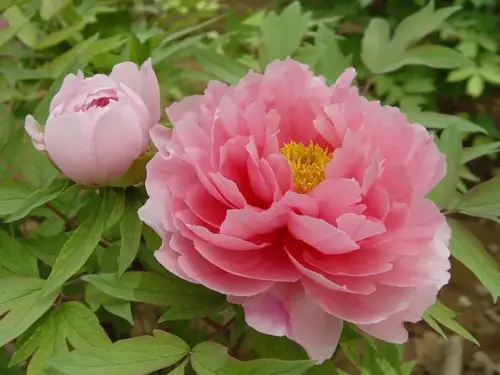
Tree peony
Paeonia × suffruticosa
The “king of flowers” – the Chinese have grown the tree peony for over a thousand years as a symbol of wealth and good fortune.
-
 2
native
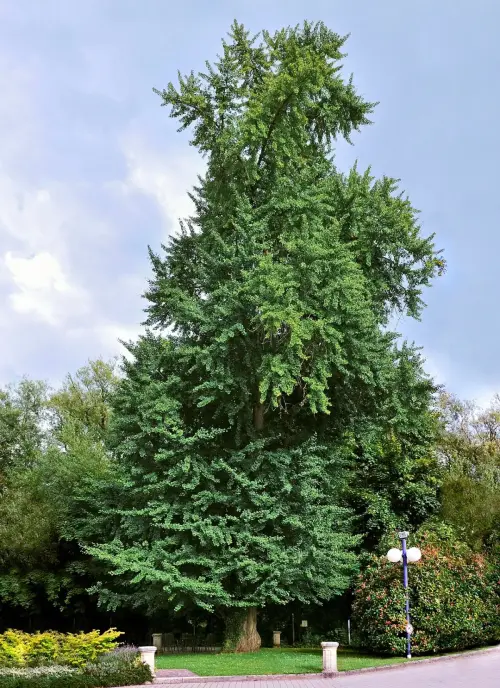
Ginkgo
Ginkgo biloba
The ginkgo is a “living fossil” – the sole surviving species of a plant group whose lineage goes back more than 200 million years.
-
 3
native
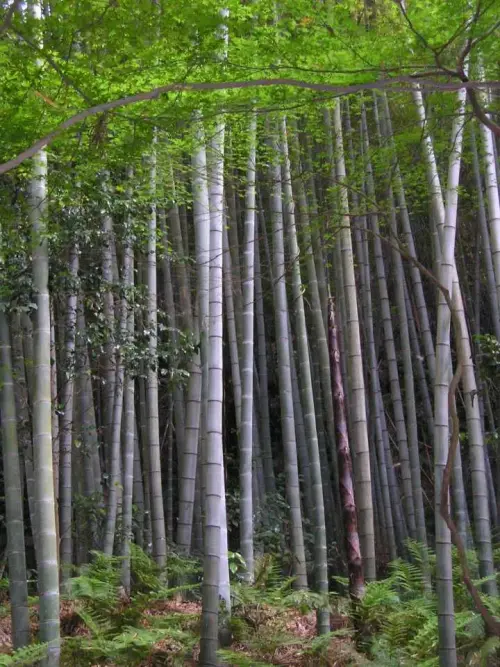
Moso bamboo
Phyllostachys edulis
Moso bamboo can grow a metre in a day and reach 20 m in a few weeks – it is China’s most important bamboo.
-
 4
native
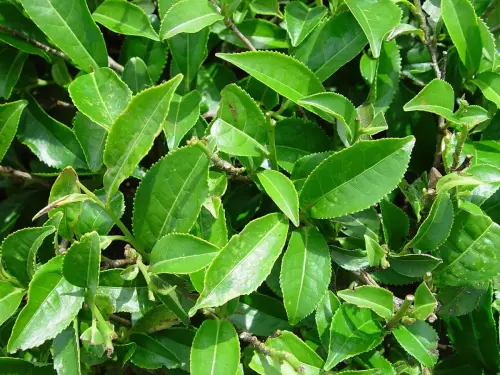
Tea plant
Camellia sinensis
Tea was born in China – Yunnan is still home to tea trees that are hundreds of years old.
-
 5
native
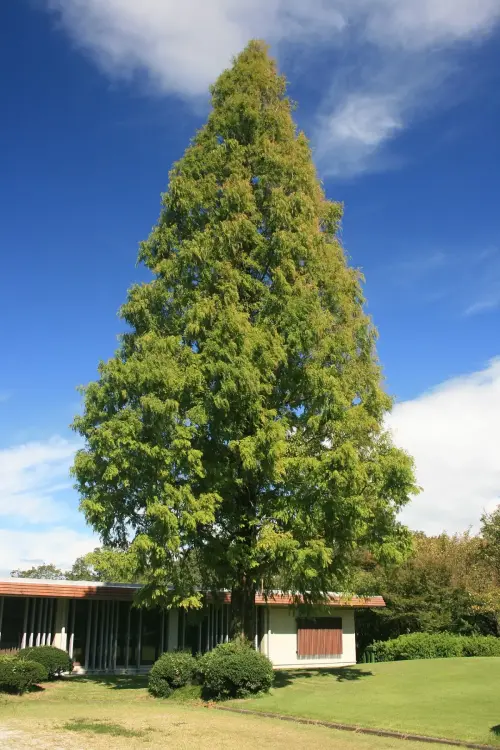
Dawn redwood
Metasequoia glyptostroboides
Known only from fossils, the dawn redwood turned out to be alive – in the 1940s it was found in a remote valley in Hubei.
-
 6
native
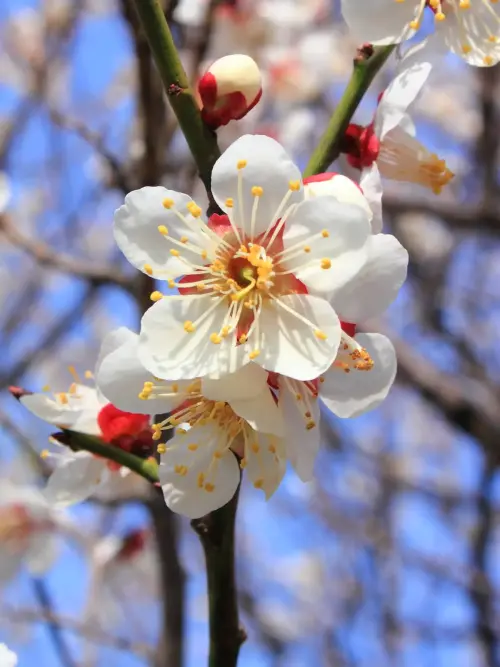
Japanese apricot
Prunus mume
Meihua blossoms amid the snow before spring arrives – which is why in China it has long symbolised fortitude and perseverance.
-
 7
native
Sacred lotus
Nelumbo nucifera
The lotus “grows out of the mud yet remains unstained” – so wrote the 11th-century philosopher Zhou Dunyi, making it the model of an upright man.
-
 8
native
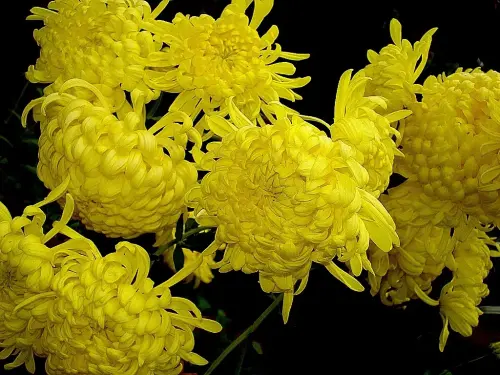
Florist’s chrysanthemum
Chrysanthemum × morifolium
The chrysanthemum comes from China – the poet Tao Yuanming picked it “by the eastern fence”, and wine is made from it for the Double Ninth Festival.
-
 9
native
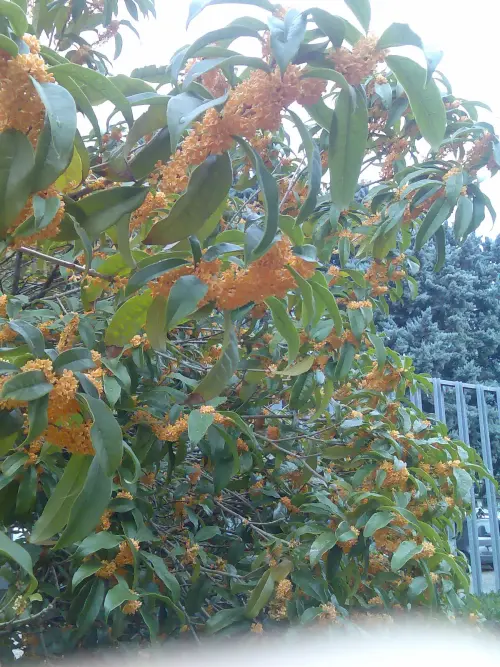
Sweet osmanthus
Osmanthus fragrans
When guihua blooms in autumn, the streets of southern Chinese cities smell of apricots – the scent of the Mid-Autumn Festival.
-
 10
nativeendemic
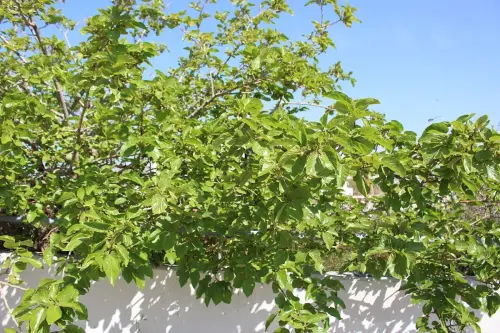
White mulberry
Morus alba
Silkworms feed on the leaves of the white mulberry – without it there would be no Chinese silk and no Silk Road.
-
 11
native
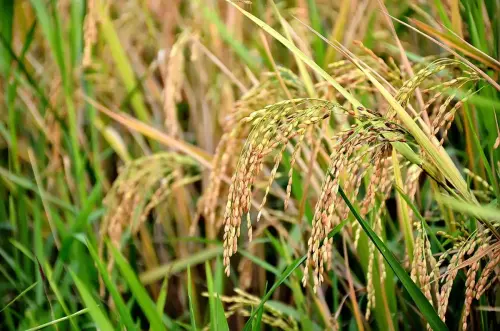
Rice
Oryza sativa
Rice has been grown in China for about 9,000 years – the Yuanyang and Longji terraces are among the world’s most beautiful farming landscapes.
-
 12
native
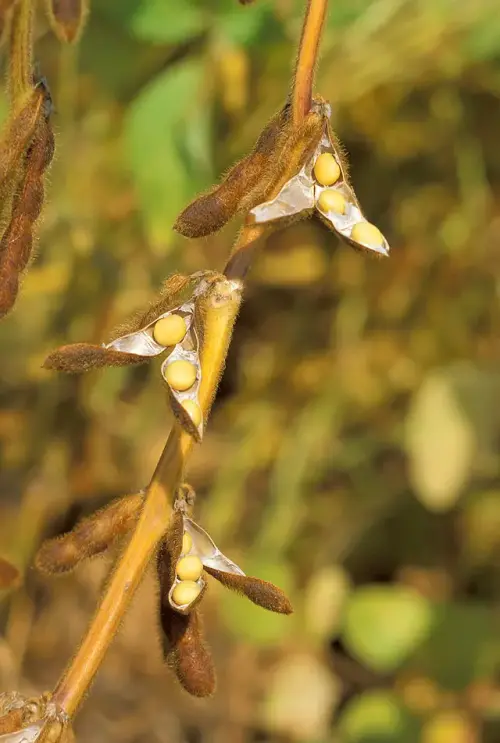
Soybean
Glycine max
The soybean was domesticated in northern China – without it there would be no tofu, soy sauce or soy milk.
-
 13
nativeendemic
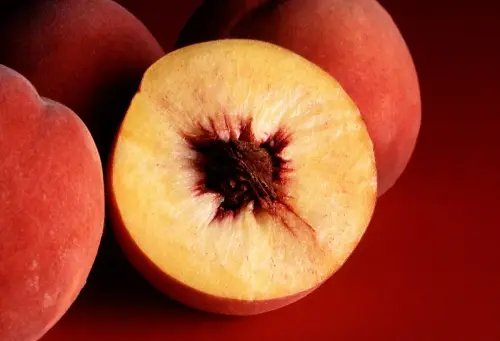
Peach
Prunus persica
In Chinese mythology the peaches of immortality grow in the garden of the Queen Mother of the West – the fruit still symbolises longevity.
-
 14
native
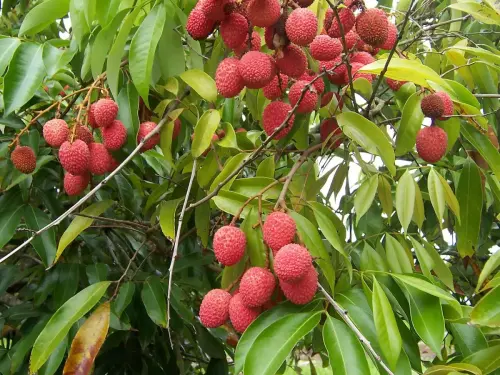
Lychee
Litchi chinensis
For Yang Guifei, beloved of Emperor Xuanzong, lychees from the south were rushed to the capital by relays of mounted couriers so they would not spoil.
-
 15
native
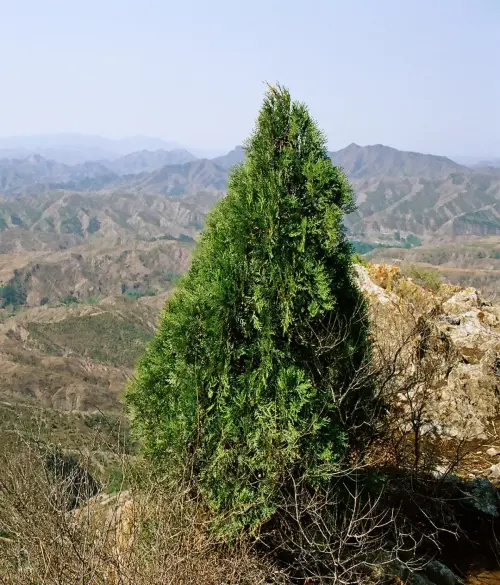
Oriental arborvitae
Platycladus orientalis
Ancient arborvitaes grow at Beijing’s Temple of Heaven and the Mausoleum of the Yellow Emperor – in China they symbolise loyalty and longevity.
China on other Ominuvo maps
- World in NumbersPopulation: 1.41 billion (2025)Source: World Bank – WDI: UN World Population Prospects (CC BY 4.0)
- Languages of the worldChinese · official languageSource: Unicode CLDR (Unicode License v3)
- Prices around the worldChinese yuan (renminbi) (CNY)Source: ISO 4217
- Time zones mapUTC+6 … UTC+8 · 2 time zonesSource: IANA tz database (public domain)
- Plugs and sockets of the worldType A, C, I · 220 V · 50 Hz
- National dishes of the world7 national dishes
- Castles map8 castles and palacesSource: Wikidata (CC0 1.0)
- World Heritage map61 World Heritage SitesSource: World Heritage List (facts)
- Volcano & earthquake map10 volcanoesSource: Smithsonian GVP (Smithsonian Terms of Use)
- Ghost map1 ghost story
- UFO sightings map3 UFO sightings and unexplained cases
- VPN provider mapServers of 6 VPN providersSource: VPN Map (Ominuvo) (CC BY 4.0)