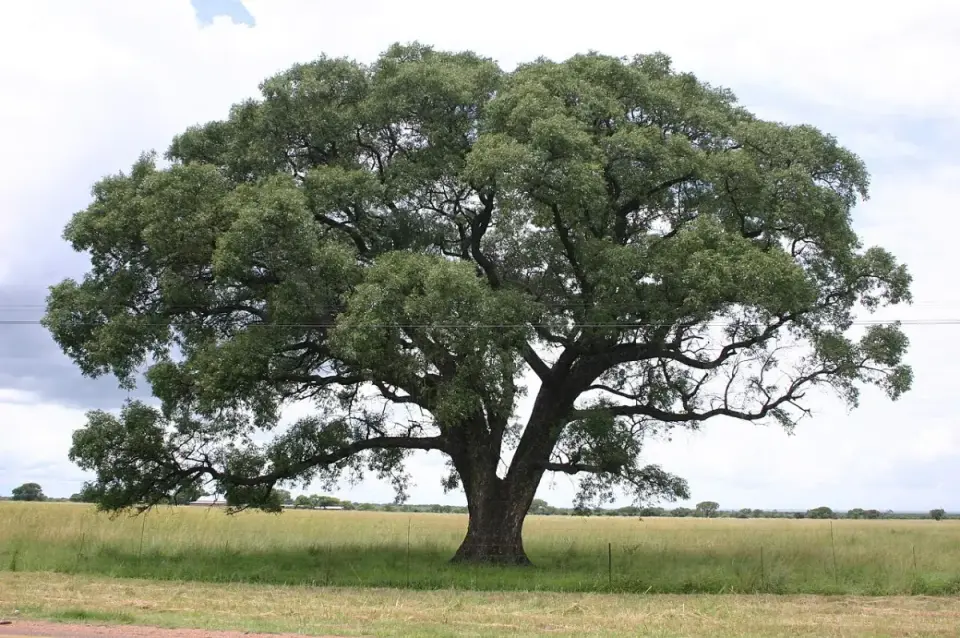
Marula (Sclerocarya birrea)
Photo: Rotational, Public domain, Wikimedia Commons

On the map in 4 countries tree

Marula

Sclerocarya birrea

Family: Anacardiaceae

On our map this plant appears in 4 countries and ranks highest in: Eswatini, Botswana, Namibia, South Africa.

The marula is a spreading tree growing to 10–18 m, with grey, flaking bark and pinnate leaves clustered at the tips of the twigs. Male and female flowers grow on separate trees, and only the female trees bear fruit. The plum-sized fruits fall to the ground while still green and ripen there, turning yellow and giving off an intense sweet-sour aroma. The flesh is very rich in vitamin C, and the hard stones yield edible, oily seeds and a cosmetic oil. Elephants, antelopes and monkeys feed on the fruit.

Description from: Eswatini.

More: Wikipedia (en) Wikipedia (pl) Plants of the World Online (Kew)

Significance in each country

  1. Eswatini no. 1 of 5 native

    The marula is a royal tree: during the Buganu (Marula) Festival women from all over the country bring the King a fermented drink made from its fruit, and only then may everyone else drink it.

  2. Botswana no. 8 of 8 native

    Marula fruit is gathered from January to March, and selling the fruit, beer and seed oil provides extra income for rural families.

  3. Namibia no. 8 of 8 native

    In northern Namibia the marula grows in fields and homesteads, where the trees are spared during land clearing, and Owambo women make the fermented drink omagongo from the fruit.

  4. South Africa no. 8 of 15 native

    The marula is a protected tree in South Africa, and since 1989 its fruit, gathered mainly by villagers in Limpopo, has been used to make Amarula liqueur.