8 plants worth knowing
Mali
Mali stretches from the Sahara in the north, through the dry Sahel, to wooded savannas in the south. The heart of the country is the Niger, which in its middle course forms a vast inner delta – a mosaic of floodplains, rice fields and pastures – while the landscape of the south is dominated by baobabs, shea trees and néré, deliberately left standing by farmers among their fields.
Hover over a plant to see on the map where it grows.
where it grows
-
 1
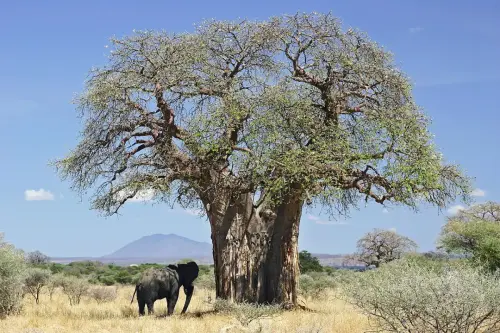
African baobab
Adansonia digitata
The baobab is the emblematic tree of Malian villages – its powdered leaves thicken the sauce served with tô, the everyday millet porridge.
-
 2
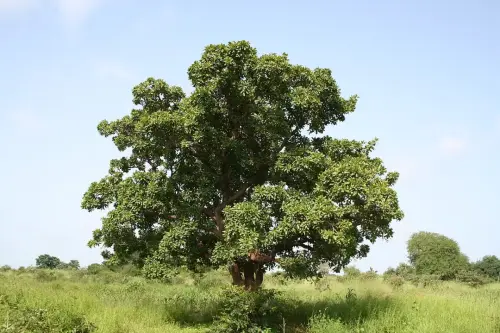
Shea tree
Vitellaria paradoxa
Mali is one of the largest producers of shea butter – the nuts are gathered and processed mainly by women in the south of the country.
-
 3
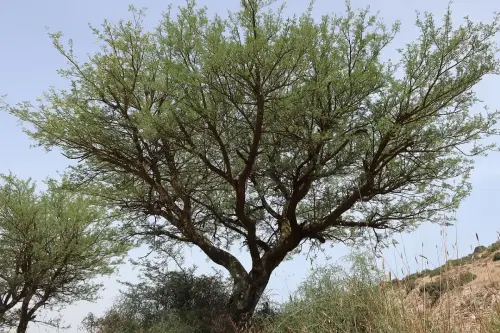
Apple-ring acacia
Faidherbia albida
Ségou is called the “city of 4,444 balanzans” – a tree that sheds its leaves in the rainy season, just as everything else turns green.
-
 4
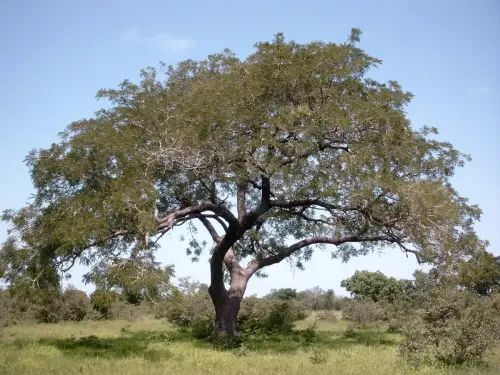
Néré
Parkia biglobosa
Fermented néré seeds make soumbala – an aromatic seasoning without which Malian cooking is hard to imagine.
-
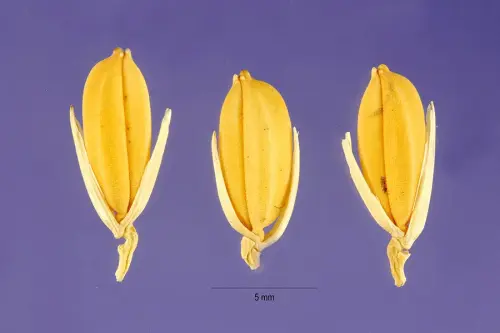 5
African rice
Oryza glaberrima
African rice was domesticated about 3,000 years ago in the inner Niger Delta – one of only two cultivated rice species in the world.
-
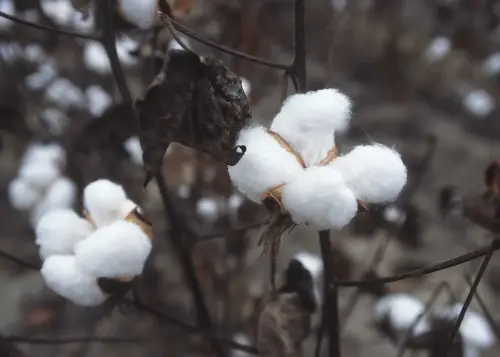 6
Upland cotton
Gossypium hirsutum
Cotton, known in Mali as “white gold”, is the country’s most important export after gold and the livelihood of millions of farmers.
-
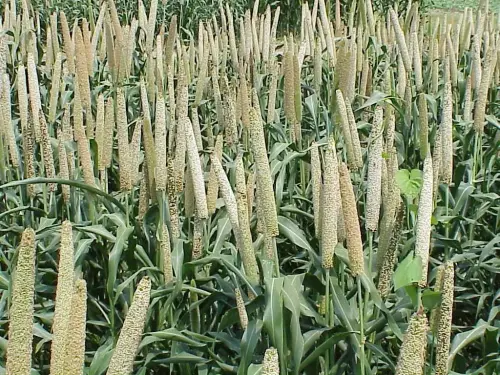 7
Pearl millet
Cenchrus americanus
Pearl millet is Mali’s most important cereal – its flour is cooked into tô, couscous and sweet dégué.
-
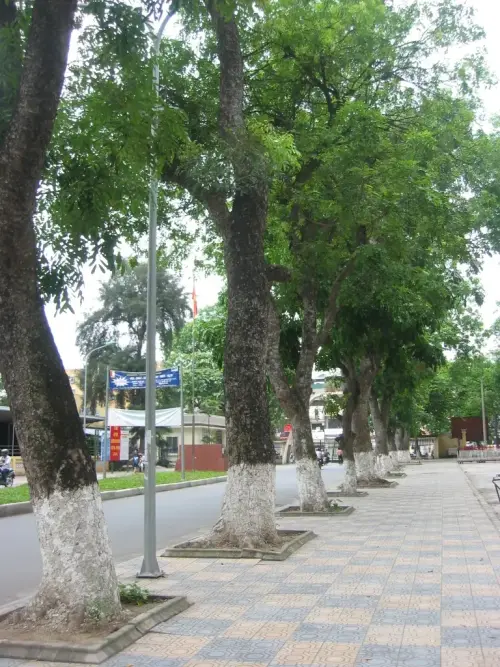 8
Senegal mahogany
Khaya senegalensis
Spreading caïlcédrats shade the streets of Bamako and Ségou, and their bitter bark has been a fever remedy for centuries.
Mali on other Ominuvo maps
- World in NumbersPopulation: 25.2 million (2025)Source: World Bank – WDI: UN World Population Prospects (CC BY 4.0)
- Languages of the worldBambara, Maasina Fulfulde, Soninke +1 · official languagesSource: Unicode CLDR (Unicode License v3)
- Prices around the worldWest African CFA franc (XOF)Source: ISO 4217
- Time zones mapUTCSource: IANA tz database (public domain)
- Plugs and sockets of the worldType C, E · 220 V · 50 Hz
- National dishes of the world2 national dishes