Guyana · #3 crop
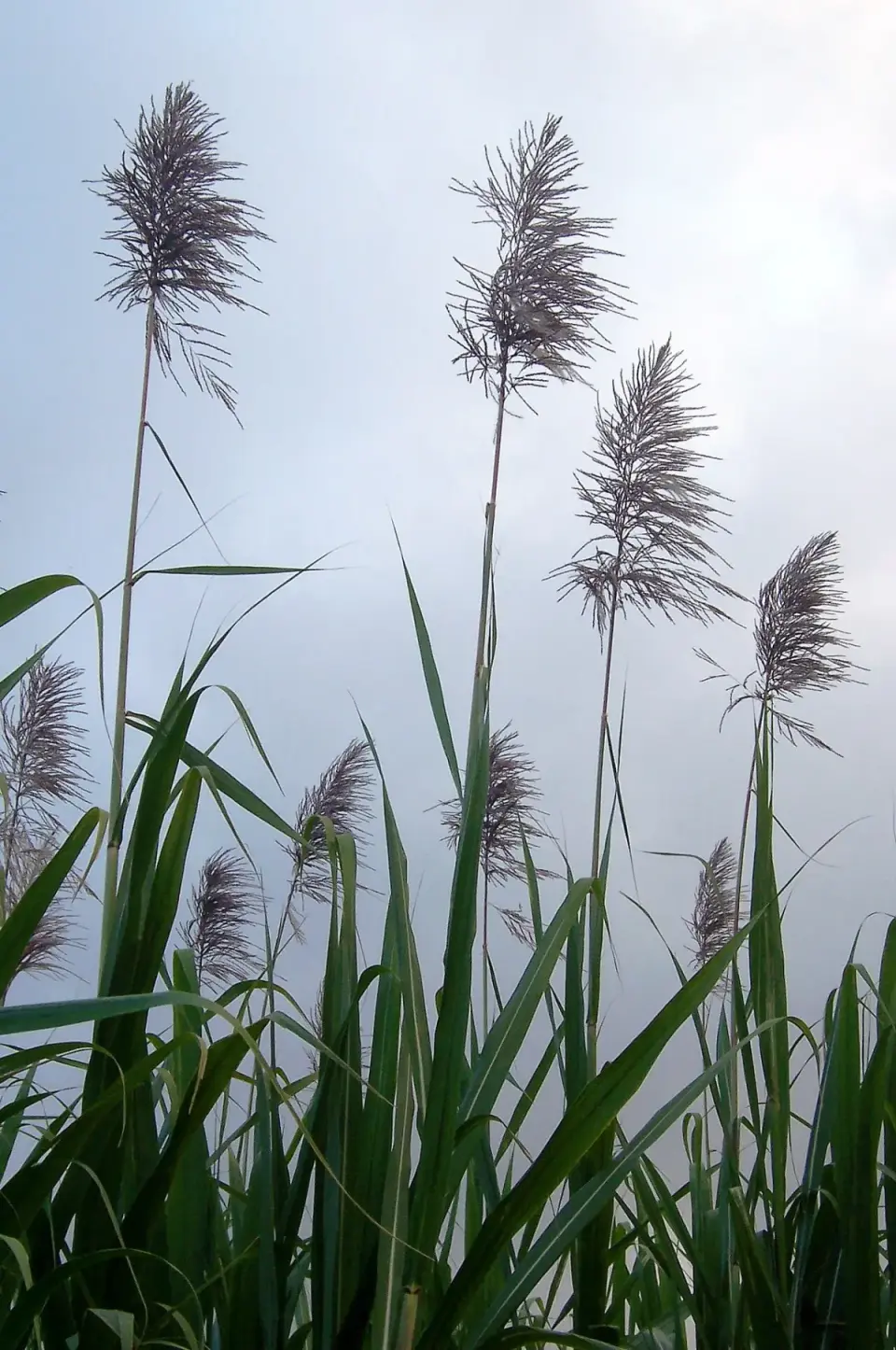
Sugarcane
Saccharum officinarum · locally: sugar cane
The Guyanese region of Demerara gave its name to the brown sugar found in cafés all over the world.
Sugarcane is a tall perennial grass with thick, juicy stems growing to 4–5 m, in which sucrose accumulates. It originates in New Guinea and reached the Americas with European colonisation. It is grown on fertile, moist soils in a tropical climate; after cutting, the stems are crushed and sugar is obtained by evaporating the pressed juice. The by-products are molasses, which is distilled into rum, and bagasse, used as fuel in the sugar mills.
Significance in the country
Cane plantations shaped Guyana’s history and society: they were worked by enslaved Africans and later by indentured labourers from India, Portugal and China; “demerara” sugar and Demerara rum made the country famous.
Where it grows
On the fertile coastal plain, on polders protected by dykes – along the lower reaches of the Demerara and Berbice rivers and on the Essequibo coast.
More: Wikipedia (en) Wikipedia (pl)