Fiji · #3 crop
Sugarcane
Saccharum officinarum · locally: dovu
For more than a century sugarcane drove Fiji’s economy and brought tens of thousands of labourers from India to the islands.
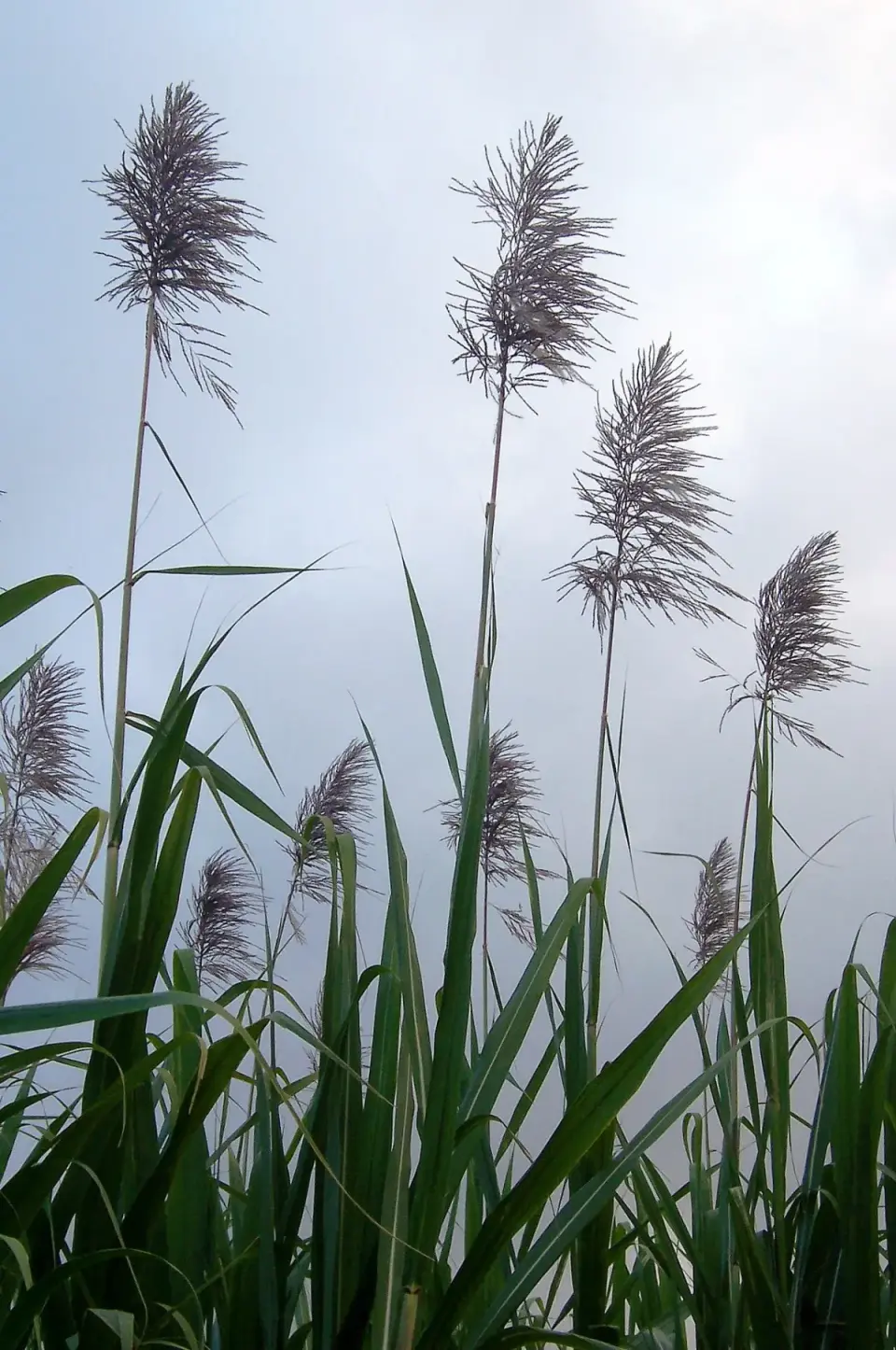
Sugarcane is a tall grass growing to 4–5 m, with thick, jointed stems filled with sweet juice. In Fiji it is cut during the season from June to December and carried by narrow-gauge railways to the sugar mills at Lautoka, Ba and Labasa. Pressing out the juice and evaporating the water yields raw sugar, most of which is exported. The crop needs sunshine and a distinct dry season, so it is concentrated on the leeward side of the islands.
Significance in the country
Between 1879 and 1916 the British brought more than 60,000 indentured labourers from India to the cane plantations – their descendants, the Indo-Fijians, today make up more than a third of the country’s population. For decades sugar was Fiji’s main export.
Where it grows
The “sugar belt” on the drier western and northern coasts of Viti Levu (Nadi, Lautoka, Ba, Rakiraki) and around Labasa on Vanua Levu.
More: Wikipedia (en) Wikipedia (pl)