10 plants worth knowing
Tanzania
Tanzania combines the vast savannas of the Serengeti and Tarangire, huge expanses of dry miombo woodland in the south and west, and the humid forests of the Eastern Arc Mountains, famous for their endemics. On the slopes of Kilimanjaro the vegetation changes from coffee and banana gardens to high-mountain heathland with giant groundsels, while the coast and Zanzibar are fringed with mangroves, coconut palms and spice plantations.
Hover over a plant to see on the map where it grows.
where it grows
-
 1
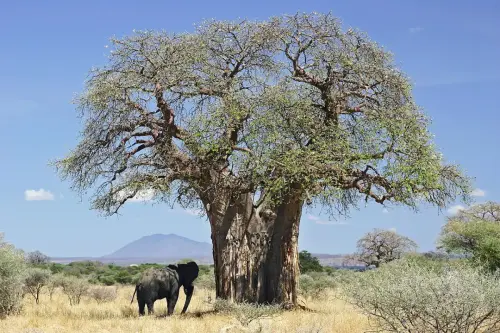
African baobab
Adansonia digitata
Monumental baobabs towering over the Tarangire savanna are one of the most recognisable sights of a Tanzanian safari.
-
 2
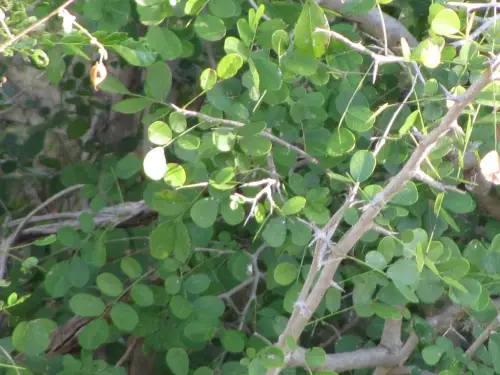
African blackwood
Dalbergia melanoxylon
Mpingo, or African blackwood, yields one of the world’s most valuable timbers – used for clarinets, oboes and the famous Makonde carvings.
-
 3
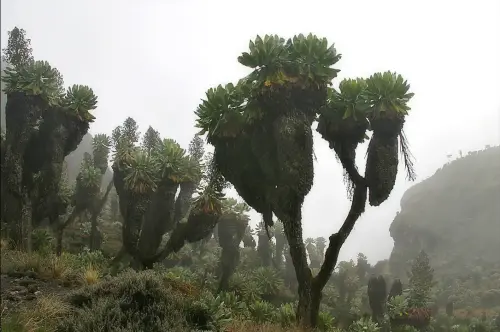
Dendrosenecio kilimanjari
Dendrosenecio kilimanjari
Kilimanjaro’s giant groundsel grows on this one mountain alone – every climber knows its bizarre “palm trees” crowned with leaf rosettes.
-
 4
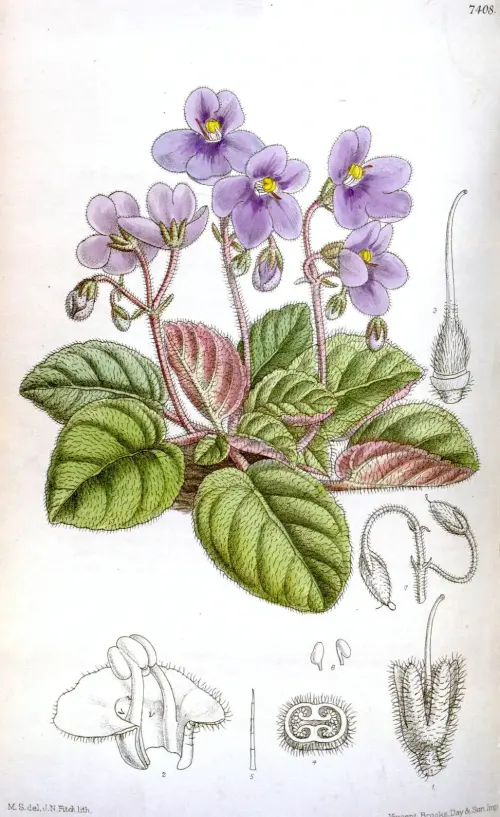
African violet
Streptocarpus ionanthus
The popular “African violet” found on windowsills all over the world comes from the humid forests of Tanzania’s Usambara Mountains.
-
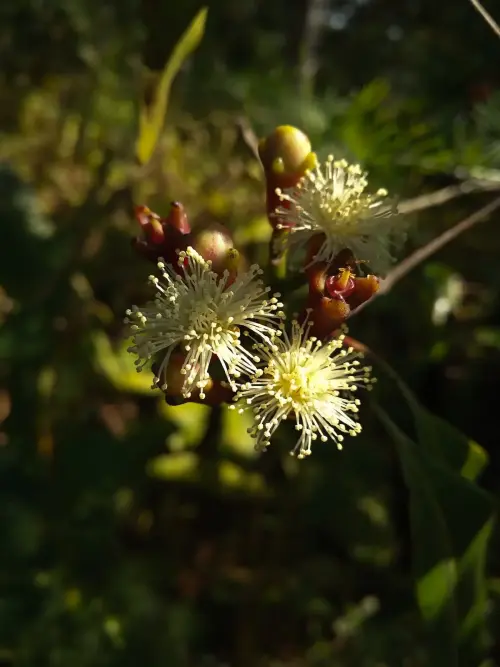 5
Clove
Syzygium aromaticum
Zanzibar and Pemba are the “spice islands” – for two centuries clove plantations drove the archipelago’s economy.
-
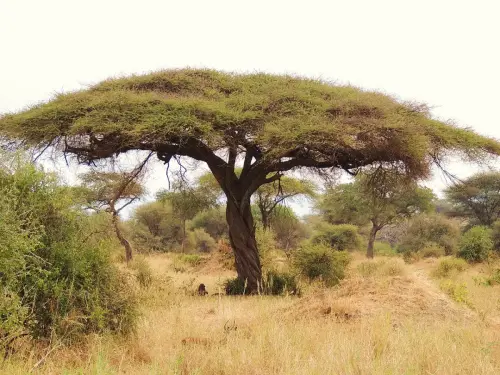 6
Umbrella thorn
Vachellia tortilis
The umbrella-shaped crowns of acacias above the grassy plains of the Serengeti are one of Africa’s most recognisable landscapes.
-
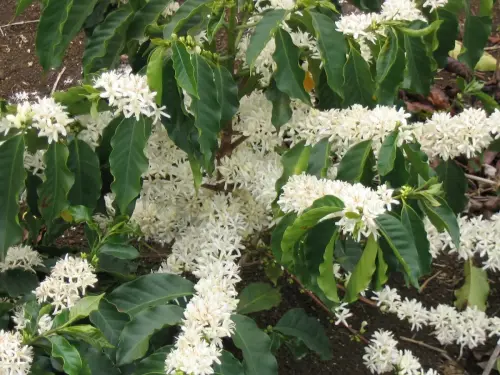 7
Arabica coffee
Coffea arabica
For over a century the Chagga have grown coffee on the slopes of Kilimanjaro, planting the bushes in the shade of banana plants.
-
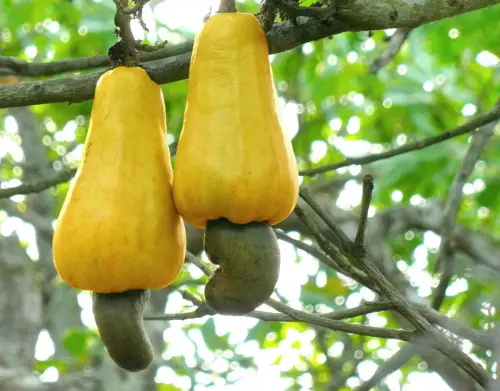 8
Cashew
Anacardium occidentale
Tanzania is one of Africa’s largest cashew nut producers – plantations stretch along the southern coast.
-
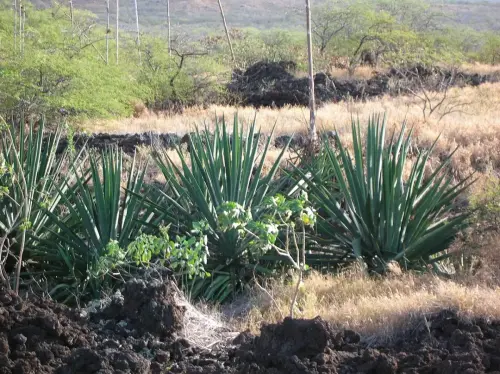 9
Sisal
Agave sisalana
In the mid-20th century Tanganyika was the world’s largest sisal producer – the agave’s leaves yield fibre for ropes and sacks.
-
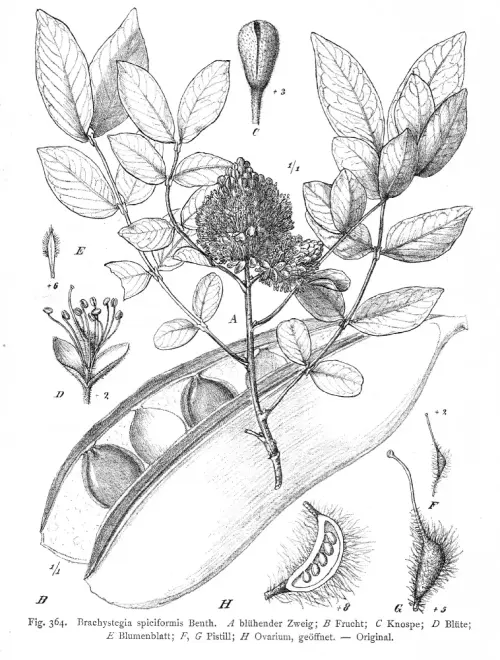 10
Msasa
Brachystegia spiciformis
The miombo woodlands where msasa grows cover huge areas of Tanzania – before the rains, the trees’ young leaves flush red.
Tanzania on other Ominuvo maps
- World in NumbersPopulation: 70.5 million (2025)Source: World Bank – WDI: UN World Population Prospects (CC BY 4.0)
- Languages of the worldSwahili, English · official languagesSource: Unicode CLDR (Unicode License v3)
- Prices around the worldTanzanian shilling (TZS)Source: ISO 4217
- Time zones mapUTC+3Source: IANA tz database (public domain)
- Plugs and sockets of the worldType D, G · 230 V · 50 Hz
- National dishes of the world7 national dishes
- Castles map1 castleSource: Wikidata (CC0 1.0)
- Volcano & earthquake map5 volcanoesSource: Smithsonian GVP (Smithsonian Terms of Use)
- Ghost map2 ghost stories and haunted places
- VPN provider mapServers of 3 VPN providersSource: VPN Map (Ominuvo) (CC BY 4.0)