5 plants worth knowing
Palestine
The landscape of Palestine is made up of the limestone hills of the West Bank, covered with olive groves and Mediterranean scrub, the hot Jordan Valley with the oasis of Jericho, and the sandy coastal Gaza Strip. Winter rains mean that in spring the hills burst into bloom with irises, anemones and wild herbs.
Hover over a plant to see on the map where it grows.
where it grows
-
 1
native
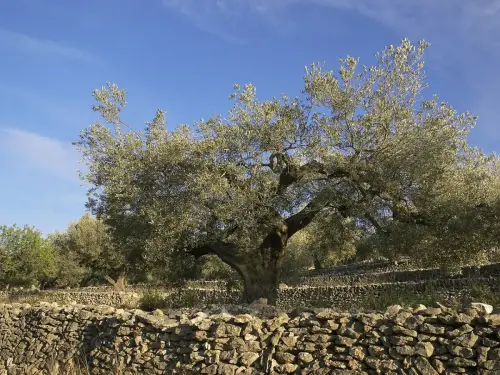
Olive
Olea europaea
For Palestinians the olive tree is more than a crop – it is a symbol of family, of the land and of holding on to it.
-
 2
native
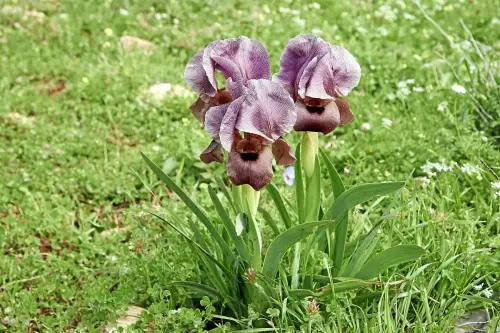
Gilboa iris
Iris haynei
A huge, purple-veined iris from around the village of Faqqua is regarded as the national flower of Palestine.
-
 3
native
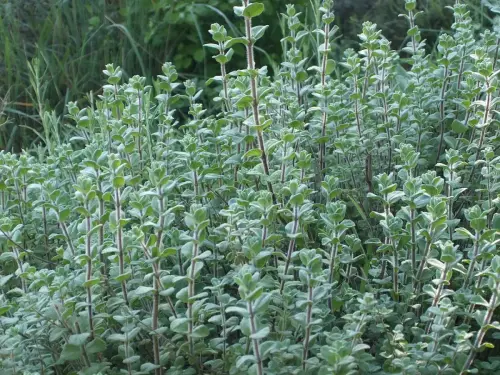
Syrian oregano
Origanum syriacum
The wild herb za’atar is the taste of a Palestinian breakfast – bread is dipped in olive oil, then in the green spice mix.
-
 4
cultivated
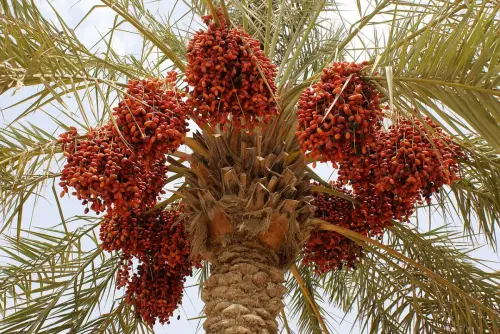
Date palm
Phoenix dactylifera
Jericho, one of the oldest cities in the world, has been famous for dates for millennia – and Deir al-Balah in Gaza means “monastery of dates”.
-
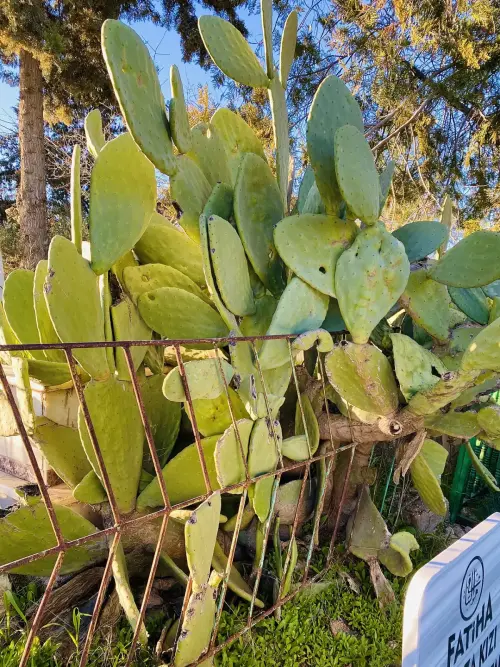 5
cultivated
Prickly pear
Opuntia ficus-indica
In Arabic “sabr” means both “prickly pear” and “patience” – which is why the cactus has become a Palestinian symbol of perseverance.
Palestine on other Ominuvo maps
- World in NumbersPopulation: 5.4 million (2025)Source: World Bank – WDI: UN World Population Prospects (CC BY 4.0)
- Languages of the worldArabic · official languageSource: Unicode CLDR (Unicode License v3)
- Prices around the worldIsraeli new shekel (ILS), Jordanian dinar (JOD), US dollar (USD)Source: ISO 4217
- Time zones mapUTC+2Source: IANA tz database (public domain)
- Plugs and sockets of the worldType C, H · 230 V · 50 Hz
- National dishes of the world2 national dishes
- Castles map2 castles and palacesSource: Wikidata (CC0 1.0)
- VPN provider mapServers of 2 VPN providersSource: VPN Map (Ominuvo) (CC BY 4.0)