10 plants worth knowing
Netherlands
The Netherlands is a flat land of polders, canals and dykes, a quarter of it below sea level, where almost the entire landscape has been shaped by people. Natural vegetation survives mainly in the belt of coastal dunes, in wetlands and lakes left behind by peat digging, and on the heathlands of the Veluwe. At the same time the Netherlands is a horticultural superpower – most of the world’s traded flower bulbs come from here.
Hover over a plant to see on the map where it grows.
where it grows
-
 1
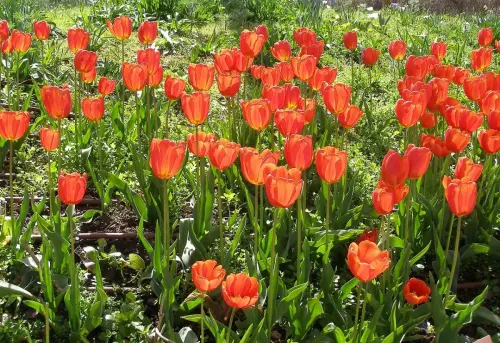
Garden tulip
Tulipa gesneriana
The flower that sparked history’s first speculative bubble in the 17th century – today it paints stripes across the fields of North and South Holland each spring.
-
 2
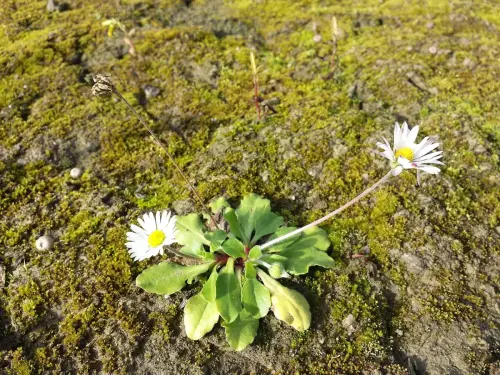
Common daisy
Bellis perennis
The whole world links the Netherlands with the tulip, yet in 2023 the Dutch chose the humble daisy as their national flower.
-
 3
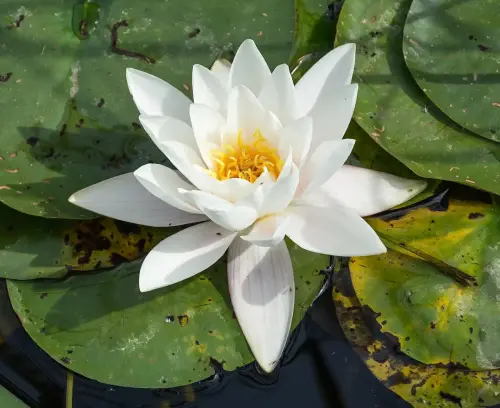
White water lily
Nymphaea alba
The seven red leaves on the Frisian flag are “pompeblêden” – the leaves of the water lilies that cover Friesland’s lakes and canals.
-
 4
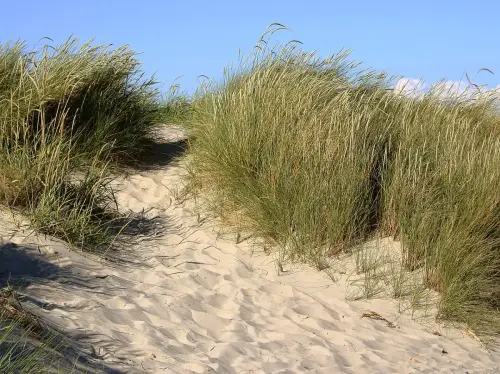
Marram grass
Ammophila arenaria
An unassuming grass that has protected the Netherlands from the sea for centuries by binding the sand of its coastal dunes with its roots.
-
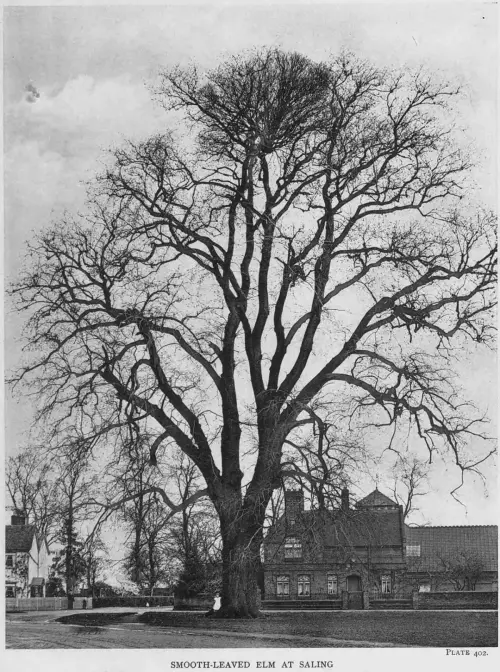 5
Dutch elm
Ulmus × hollandica
Amsterdam has one of the largest elm populations in the world – tens of thousands of trees shade its canals and boulevards.
-
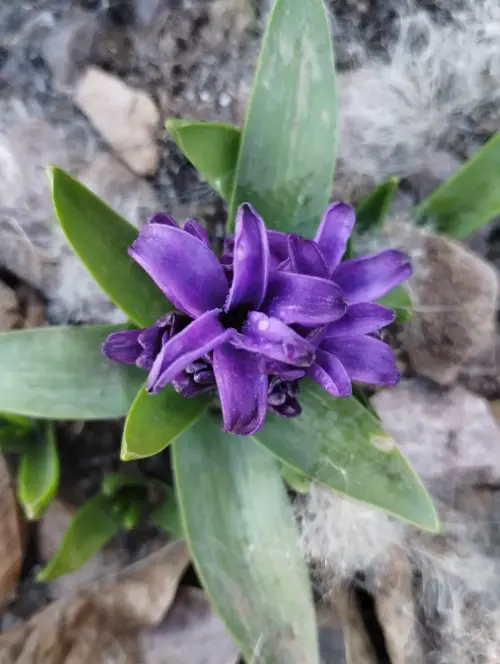 6
Common hyacinth
Hyacinthus orientalis
In spring the fields around Lisse and Hillegom smell of hyacinths – the Netherlands is the world’s main centre for growing their bulbs.
-
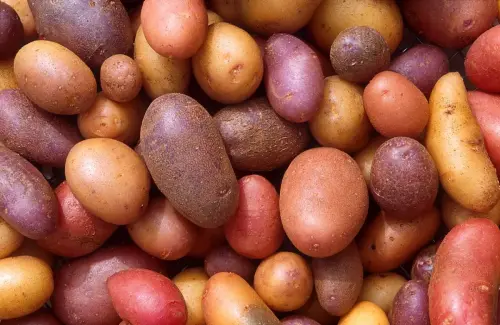 7
Potato
Solanum tuberosum
The Netherlands is the world’s largest exporter of seed potatoes, and “The Potato Eaters” is one of Van Gogh’s most famous paintings.
-
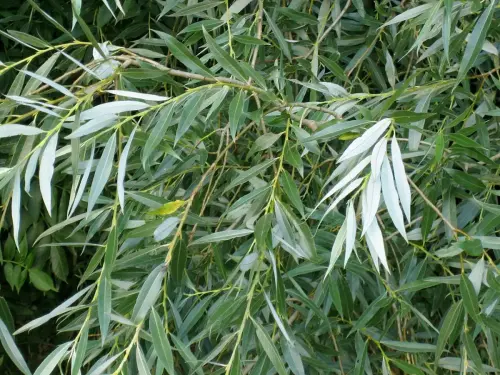 8
White willow
Salix alba
Pollard willows (knotwilgen) lining ditches and polders are one of the most typical images of the Dutch landscape.
-
 9
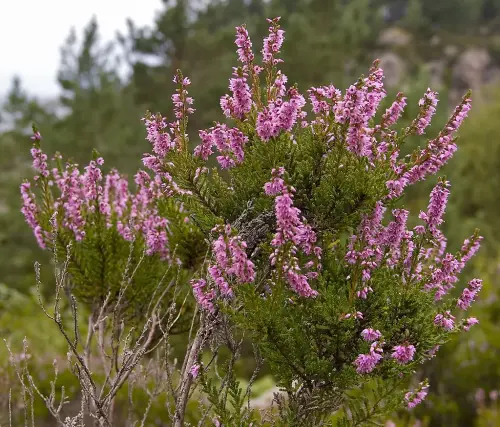
Heather
Calluna vulgaris
In August the heathlands of the Veluwe and Drenthe turn purple – one of the most picturesque sights of the Dutch summer.
-
 10
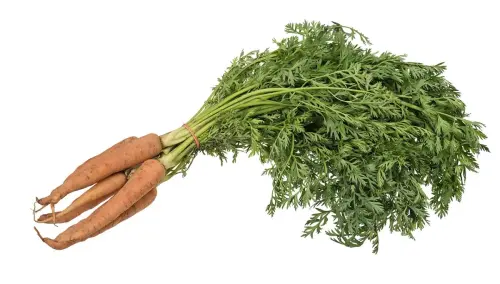
Carrot
Daucus carota subsp. sativus
The orange carrot we know today was bred by Dutch growers in the 17th and 18th centuries.
Netherlands on other Ominuvo maps
- World in NumbersPopulation: 18.1 million (2025)Source: World Bank – WDI: UN World Population Prospects (CC BY 4.0)
- Languages of the worldDutch · official languageSource: Unicode CLDR (Unicode License v3)
- Prices around the worldEuro (EUR)Source: ISO 4217
- Time zones mapUTC+1 / UTC+2 in summerSource: IANA tz database (public domain)
- Plugs and sockets of the worldType C, F · 230 V · 50 Hz
- National dishes of the world3 national dishes
- Castles map38 castles and palacesSource: Wikidata (CC0 1.0)
- Volcano & earthquake map2 volcanoesSource: Smithsonian GVP (Smithsonian Terms of Use)
- VPN provider mapServers of 43 VPN providersSource: VPN Map (Ominuvo) (CC BY 4.0)