10 plants worth knowing
Mongolia
Mongolia has an extremely continental climate with freezing winters, short summers and little rainfall, so treeless landscapes dominate. In the north, in the Khentii Mountains and around Lake Khövsgöl, grow larch forests of taiga and forest-steppe; the centre of the country is taken up by vast grassy steppes grazed for millennia by nomads’ herds, and the south by semi-deserts and the Gobi Desert with its saxaul. Forests cover less than 10% of the country.
Hover over a plant to see on the map where it grows.
where it grows
-
 1
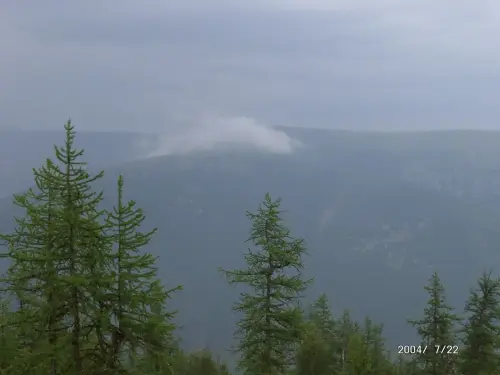
Siberian larch
Larix sibirica
The Siberian larch makes up most of Mongolia’s forests – in autumn it turns the mountainsides of the north golden.
-
 2
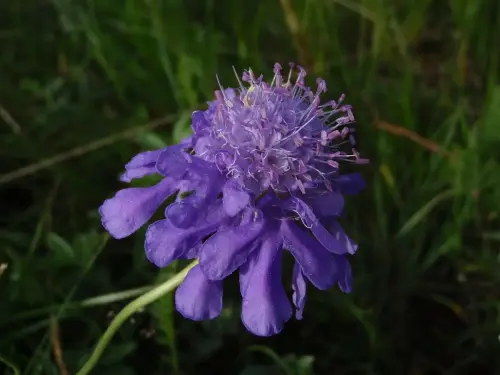
Scabiosa comosa
Scabiosa comosa
In summer the lilac heads of this scabious light up the Mongolian steppe – it is Mongolia’s national flower.
-
 3
Black saxaul
Haloxylon ammodendron
The saxaul is the “tree” of the Gobi Desert – leafless, with wood so heavy that it sinks in water.
-
 4
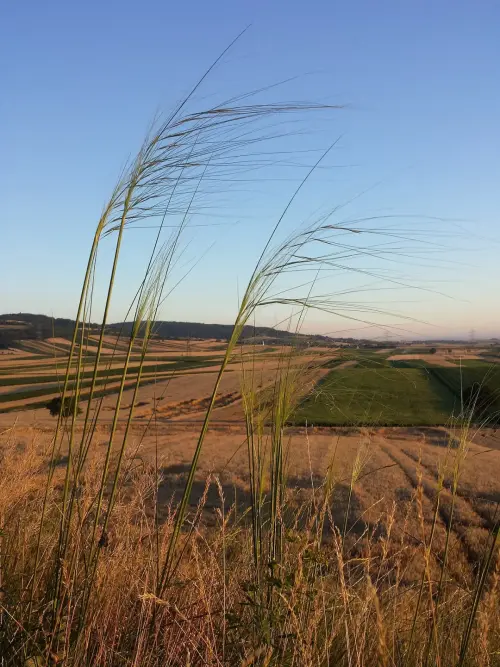
Stipa capillata
Stipa capillata
Feather grasses rippling in the wind are the essence of the Mongolian steppe and the basis of grazing for horses, sheep and goats.
-
 5
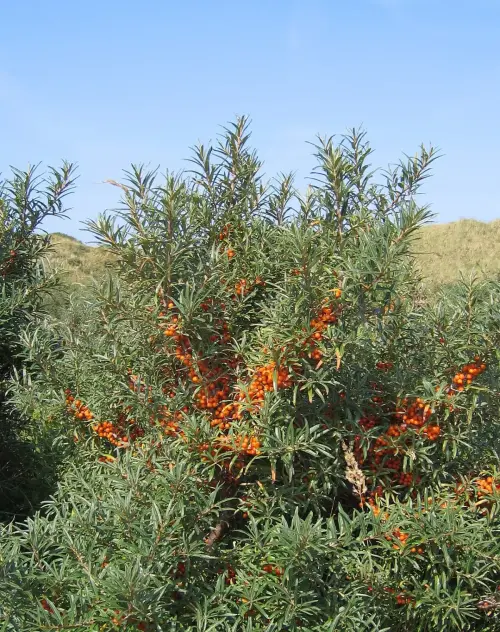
Sea buckthorn
Hippophae rhamnoides
Orange chatsargana berries are Mongolia’s “vitamin bomb” – sea buckthorn juice is drunk here as commonly as apple juice is in Europe.
-
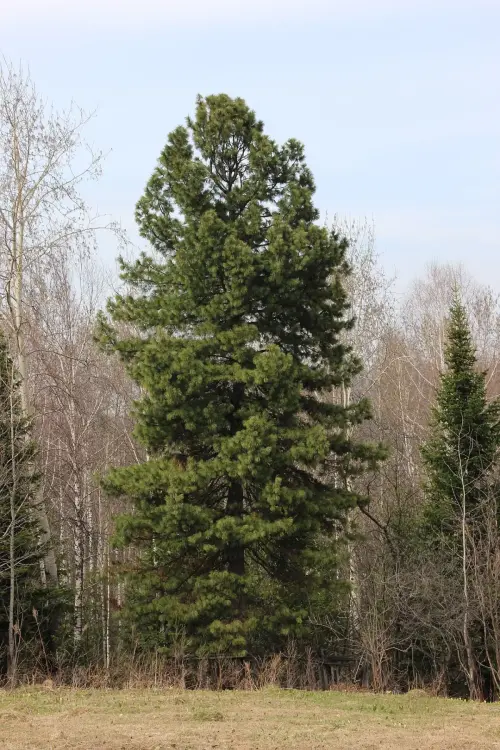 6
Siberian pine
Pinus sibirica
In autumn Siberian pine cones are gathered in the taiga of the Khentii and Khövsgöl – the roasted nuts are a favourite Mongolian snack.
-
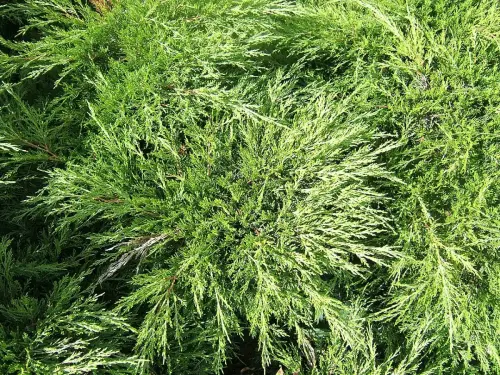 7
Savin juniper
Juniperus sabina
Mongolians use the smoke of juniper twigs, called arts, to cleanse gers, ovoo and Buddhist temples – they believe it purifies from all evil.
-
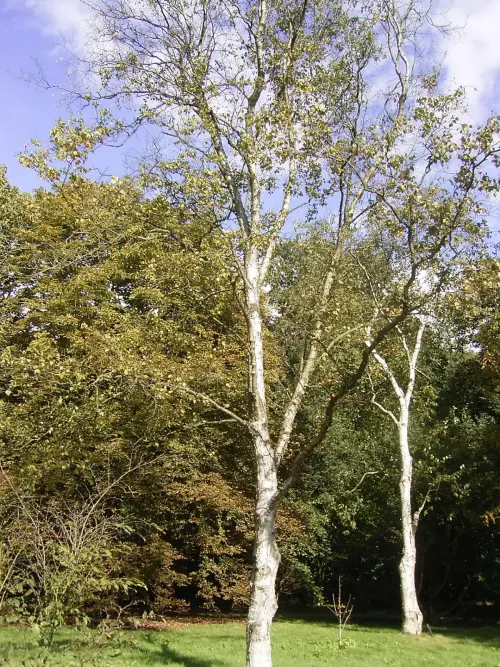 8
Asian white birch
Betula platyphylla
Alongside the larch taiga, white birch woods are among the most common forests of northern Mongolia – they quickly regrow after fires and felling.
-
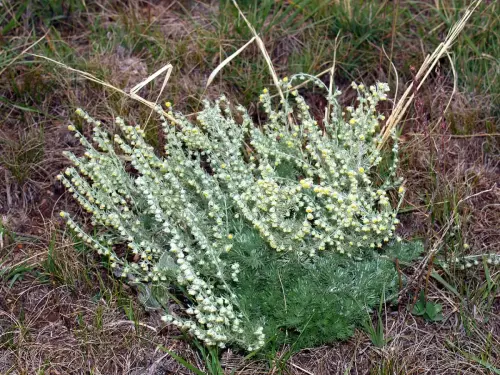 9
Fringed sagebrush
Artemisia frigida
Silvery agi sagebrush smells like wormwood on the Mongolian steppe – one of the most important fodder plants for sheep, goats and camels.
-
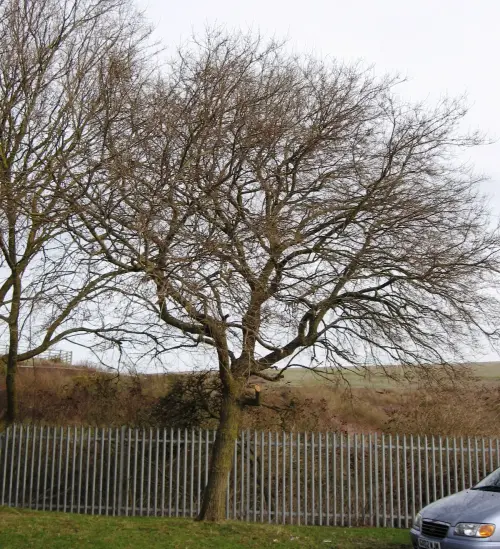 10
Siberian elm
Ulmus pumila
Lone elms in the dry riverbeds of the Gobi may be the only trees for dozens of kilometres – herders treat them with respect.
Mongolia on other Ominuvo maps
- World in NumbersPopulation: 3.6 million (2025)Source: World Bank – WDI: UN World Population Prospects (CC BY 4.0)
- Languages of the worldMongolian · official languageSource: Unicode CLDR (Unicode License v3)
- Prices around the worldMongolian tögrög (MNT)Source: ISO 4217
- Time zones mapUTC+7 … UTC+8 · 2 time zonesSource: IANA tz database (public domain)
- Plugs and sockets of the worldType C, E · 230 V · 50 Hz
- National dishes of the world2 national dishes
- Volcano & earthquake map2 volcanoesSource: Smithsonian GVP (Smithsonian Terms of Use)
- UFO sightings map1 UFO or unexplained case
- VPN provider mapServers of 8 VPN providersSource: VPN Map (Ominuvo) (CC BY 4.0)