5 plants worth knowing
Jordan
More than three-quarters of Jordan is desert and semi-desert, but a narrow strip of north-western uplands supports olive groves and the oak and pine forests of Ajloun. In the west the country drops into the Jordan Rift Valley and the Dead Sea, the lowest place on land, where dates and vegetables are grown in the hot climate. In spring the uplands and steppes are covered in flowers, including the famous black iris.
Hover over a plant to see on the map where it grows.
where it grows
-
 1
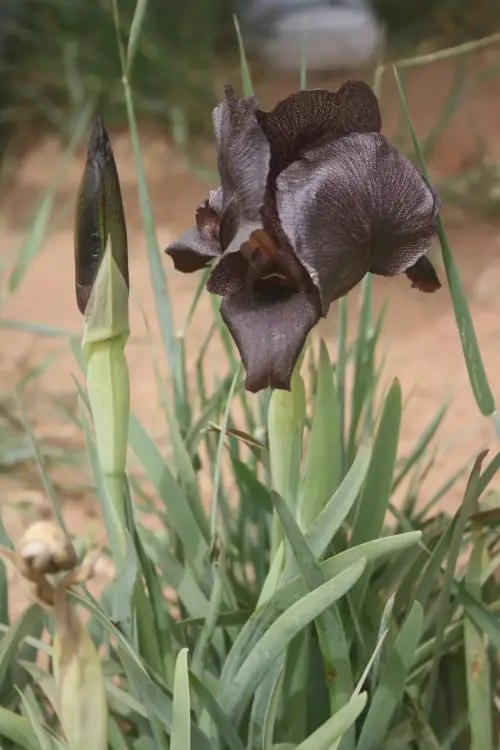
Black iris
Iris nigricans
Jordan’s national flower has petals of such a deep purple that from a distance they look completely black.
-
 2
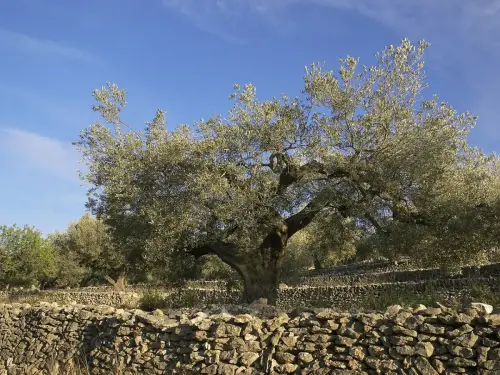
Olive
Olea europaea
The oldest olive trees around Ajloun are said to be up to two thousand years old – and they still bear fruit.
-
 3
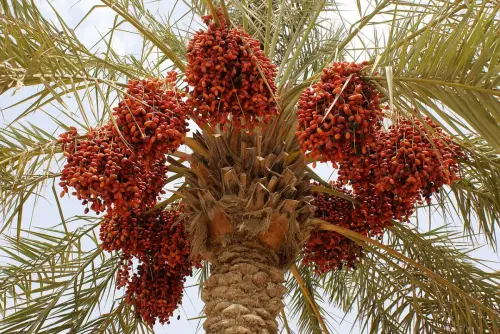
Date palm
Phoenix dactylifera
The sweltering Jordan Valley, below sea level, has become one of the world’s main centres of Medjool date growing.
-
 4
Phoenician juniper
Juniperus phoenicea
Old, twisted junipers cover the red slopes of the Dana reserve – Jordan’s largest protected area.
-
 5
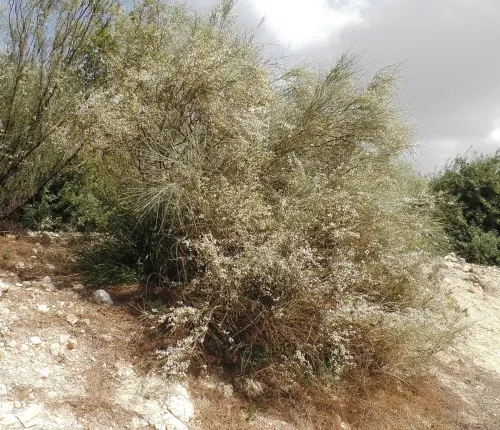
White broom
Retama raetam
According to the Bible, the prophet Elijah rested beneath this desert shrub – in Jordan it grows in sandy wadis as far as Wadi Rum.
Jordan on other Ominuvo maps
- World in NumbersPopulation: 11.5 million (2025)Source: World Bank – WDI: UN World Population Prospects (CC BY 4.0)
- Languages of the worldArabic · official languageSource: Unicode CLDR (Unicode License v3)
- Prices around the worldJordanian dinar (JOD)Source: ISO 4217
- Time zones mapUTC+3Source: IANA tz database (public domain)
- Plugs and sockets of the worldType B, C, D, F, G, J · 230 V · 50 Hz
- National dishes of the world2 national dishes
- Castles map10 castles and palacesSource: Wikidata (CC0 1.0)
- Volcano & earthquake map1 volcanoSource: Smithsonian GVP (Smithsonian Terms of Use)
- VPN provider mapServers of 5 VPN providersSource: VPN Map (Ominuvo) (CC BY 4.0)