8 plants worth knowing
Israel
Within Israel’s small area three vegetation zones meet: the Mediterranean scrub and oak–pine woods of Galilee and Mount Carmel, transitional steppes, and the deserts of the Negev and the Arava with their acacias. Thanks to winter rains, from January to March the hills are carpeted with wild flowers – anemones, cyclamens and poppies.
Hover over a plant to see on the map where it grows.
where it grows
-
 1
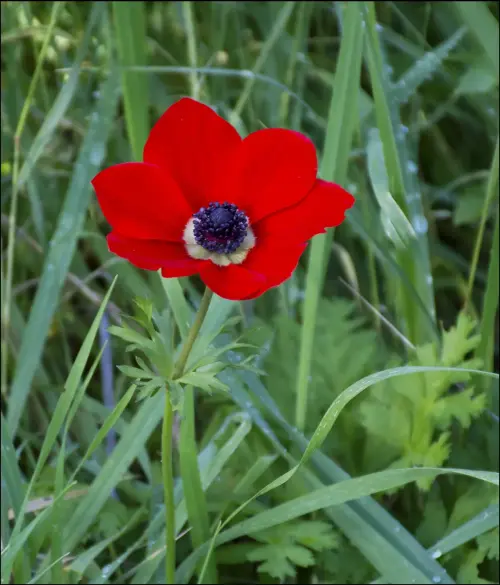
Poppy anemone
Anemone coronaria
In winter red anemones turn the fields of the northern Negev into a scarlet carpet – Israelis celebrate it with the “Darom Adom” festival.
-
 2
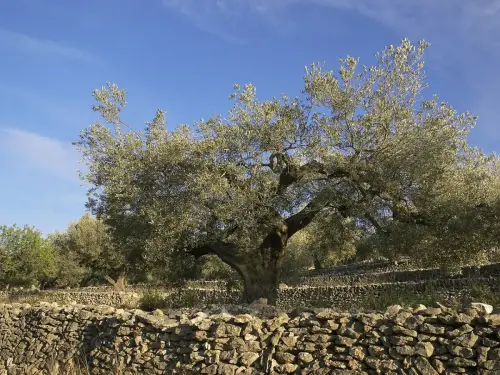
Olive
Olea europaea
The olive branches on Israel’s emblem are a reminder that some trees in Galilee may date back to Roman times.
-
 3
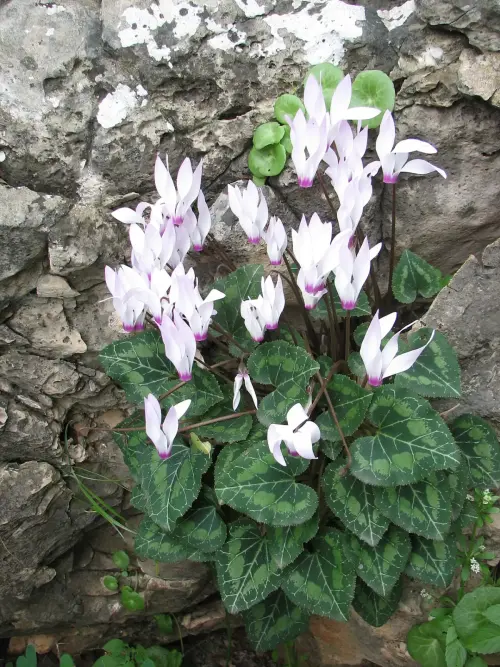
Persian cyclamen
Cyclamen persicum
The wild ancestor of the potted cyclamen springs up in winter from rock crevices on the hills of Galilee and Mount Carmel.
-
 4
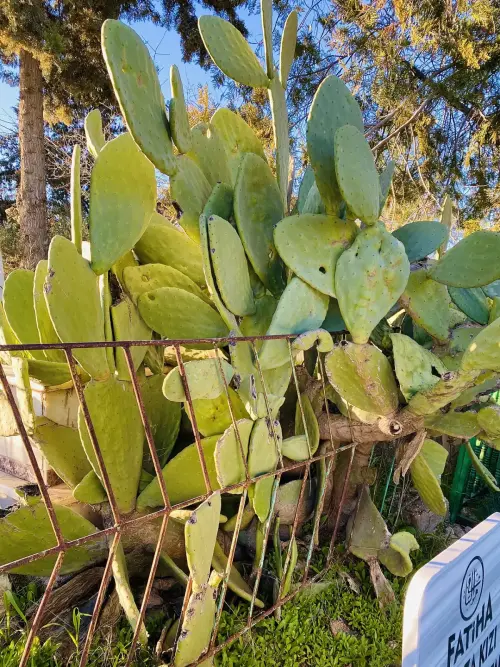
Prickly pear
Opuntia ficus-indica
Prickly outside, sweet inside – this cactus gave its name to native-born Israelis.
-
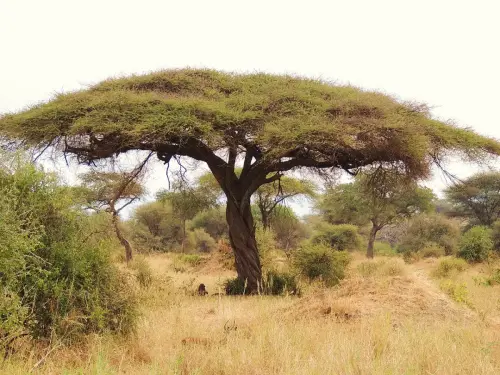 5
Umbrella thorn
Vachellia tortilis
Umbrella-shaped acacias are the only trees able to survive in the dry wadi beds of the Arava and the Negev.
-
 6
Pomegranate
Punica granatum
The pomegranate is one of the seven biblical species of the Land of Israel – at Rosh Hashanah it is eaten with wishes for as many merits as it has seeds.
-
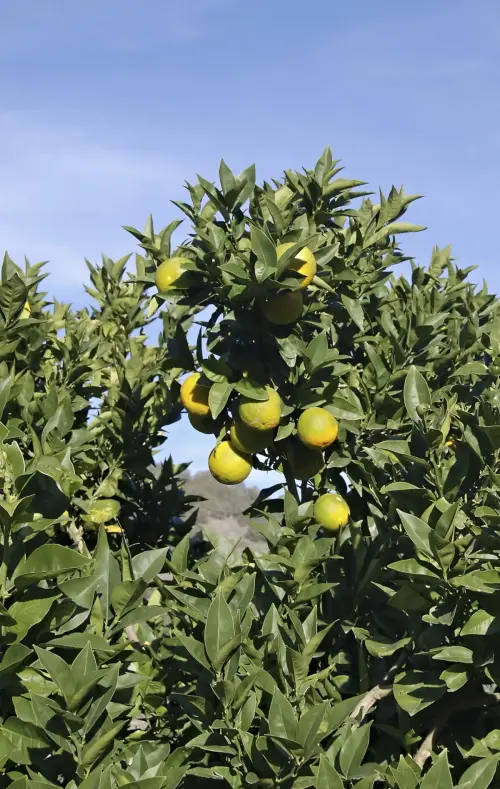 7
Sweet orange
Citrus × sinensis
The Jaffa (Shamouti) orange made Israel famous worldwide – for decades crates stamped “Jaffa” were the country’s calling card.
-
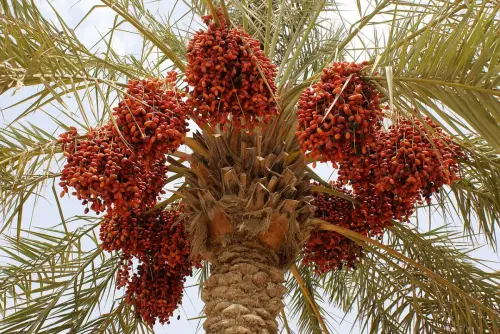 8
Date palm
Phoenix dactylifera
In Israel the Methuselah palm was raised from a 2,000-year-old seed from Masada, and the palm frond (lulav) is one of the four species of Sukkot.
Israel on other Ominuvo maps
- World in NumbersPopulation: 10.1 million (2025)Source: World Bank – WDI: UN World Population Prospects (CC BY 4.0)
- Languages of the worldHebrew · official languageSource: Unicode CLDR (Unicode License v3)
- Prices around the worldIsraeli new shekel (ILS)Source: ISO 4217
- Time zones mapUTC+2Source: IANA tz database (public domain)
- Plugs and sockets of the worldType C, H · 230 V · 50 Hz
- National dishes of the world4 national dishes
- Castles map12 castles and palacesSource: Wikidata (CC0 1.0)
- VPN provider mapServers of 32 VPN providersSource: VPN Map (Ominuvo) (CC BY 4.0)